Advance Australia Fair

Citizenship
Stafford’s Citizenship

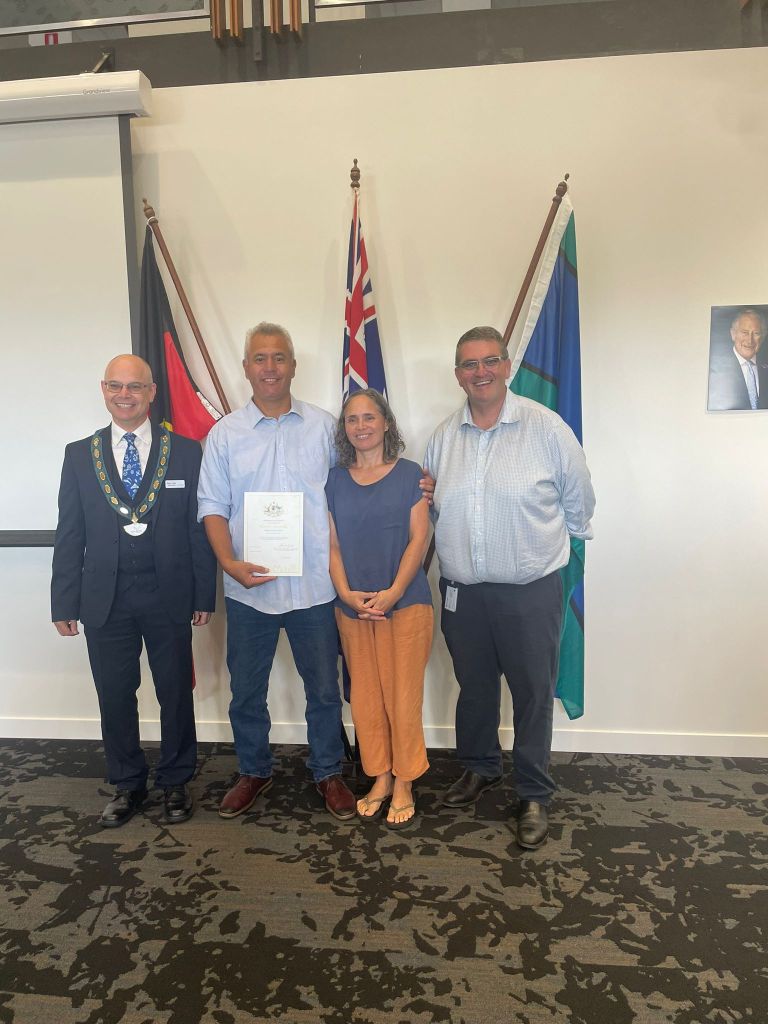
Last year, I had the privilege of officially becoming an Australian citizen, and I wanted to take a moment to reflect on what that means to me.

As many of you know, I’m originally from New Zealand and have been living in Australia since 2008. Over the past 15 years, this country has become home in every sense of the word. It’s where I’ve built my life, grown as a leader, and invested in opportunities that create a lasting impact. Australia has given me incredible experiences, strong connections, and a place where I truly belong.

At the same time, New Zealand will always be a part of me. My roots run deep there, and I’m proud of my heritage. While I’m now officially an Australian, my ties to whānau, culture, and the place I grew up remain just as strong.

For me, becoming a citizen wasn’t just a formality—it was my way of expressing gratitude for this country and everything it has given me. I’m proud to be an Aussie and excited for the future, both personally and professionally.

Thanks to all of you who have been part of this journey with me. Looking forward to many more years of growth, opportunity, and success. Cheers! 🍻🇦🇺🇳🇿

Special Moments on our Piece of Paradise

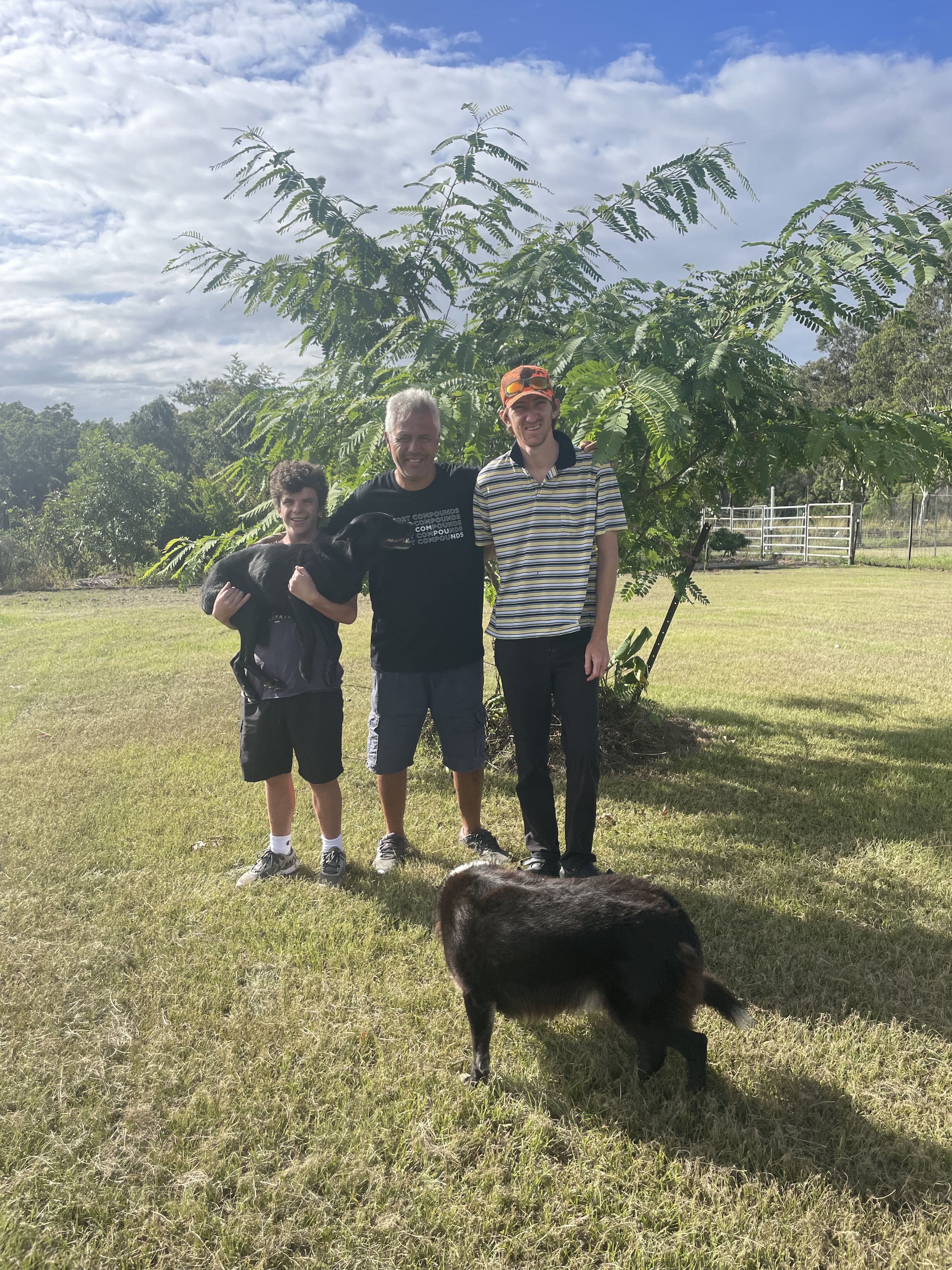
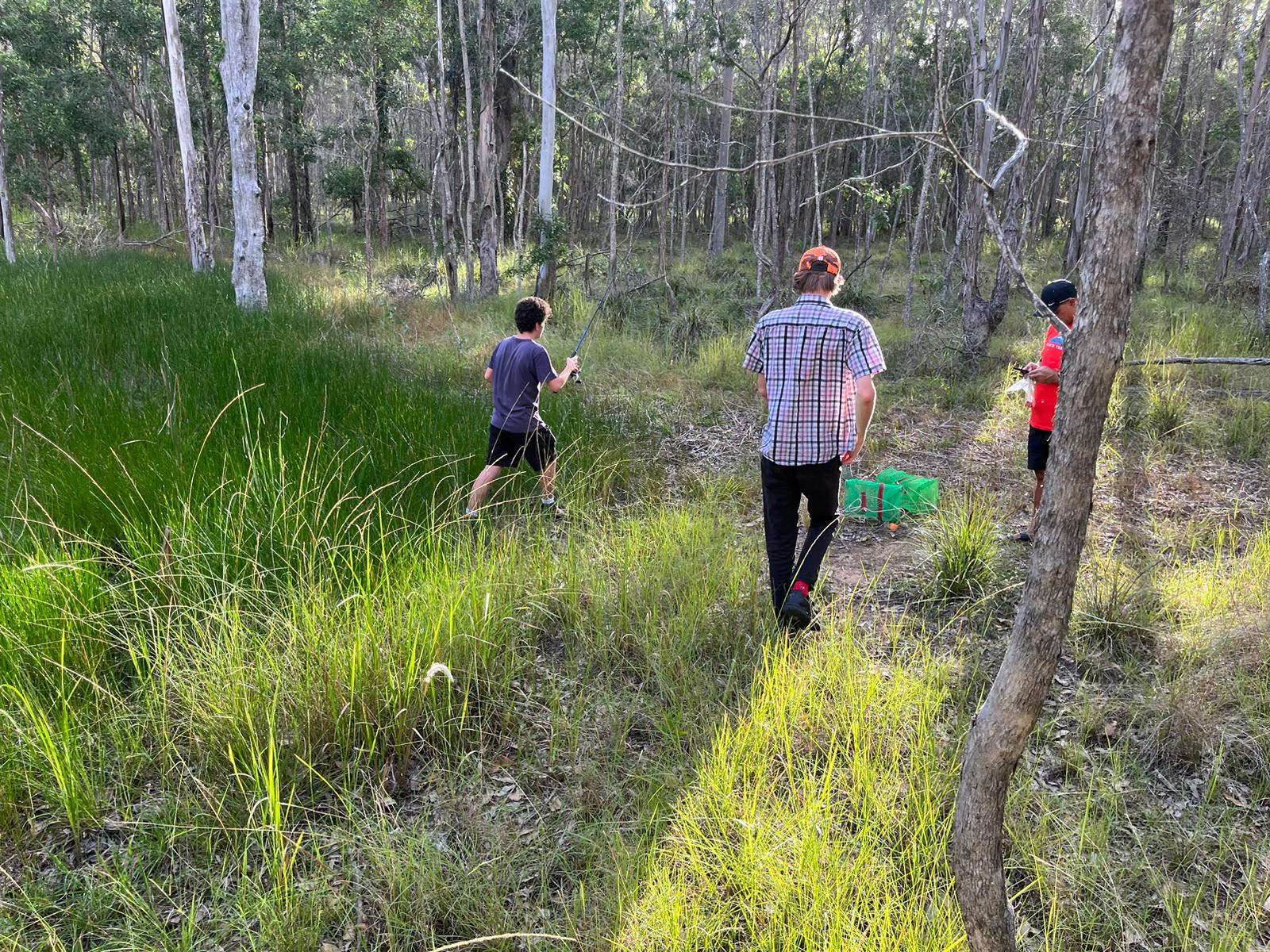
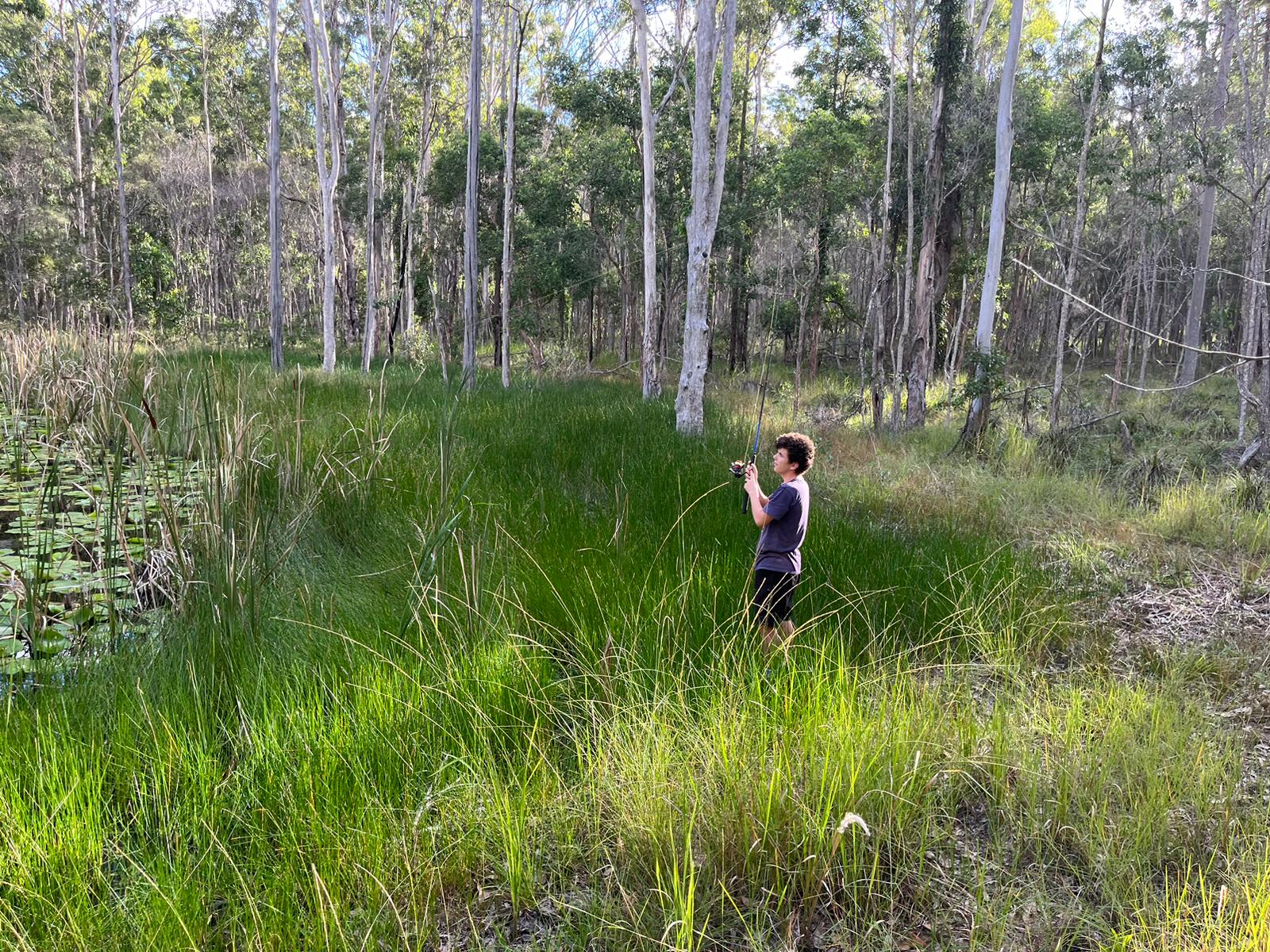
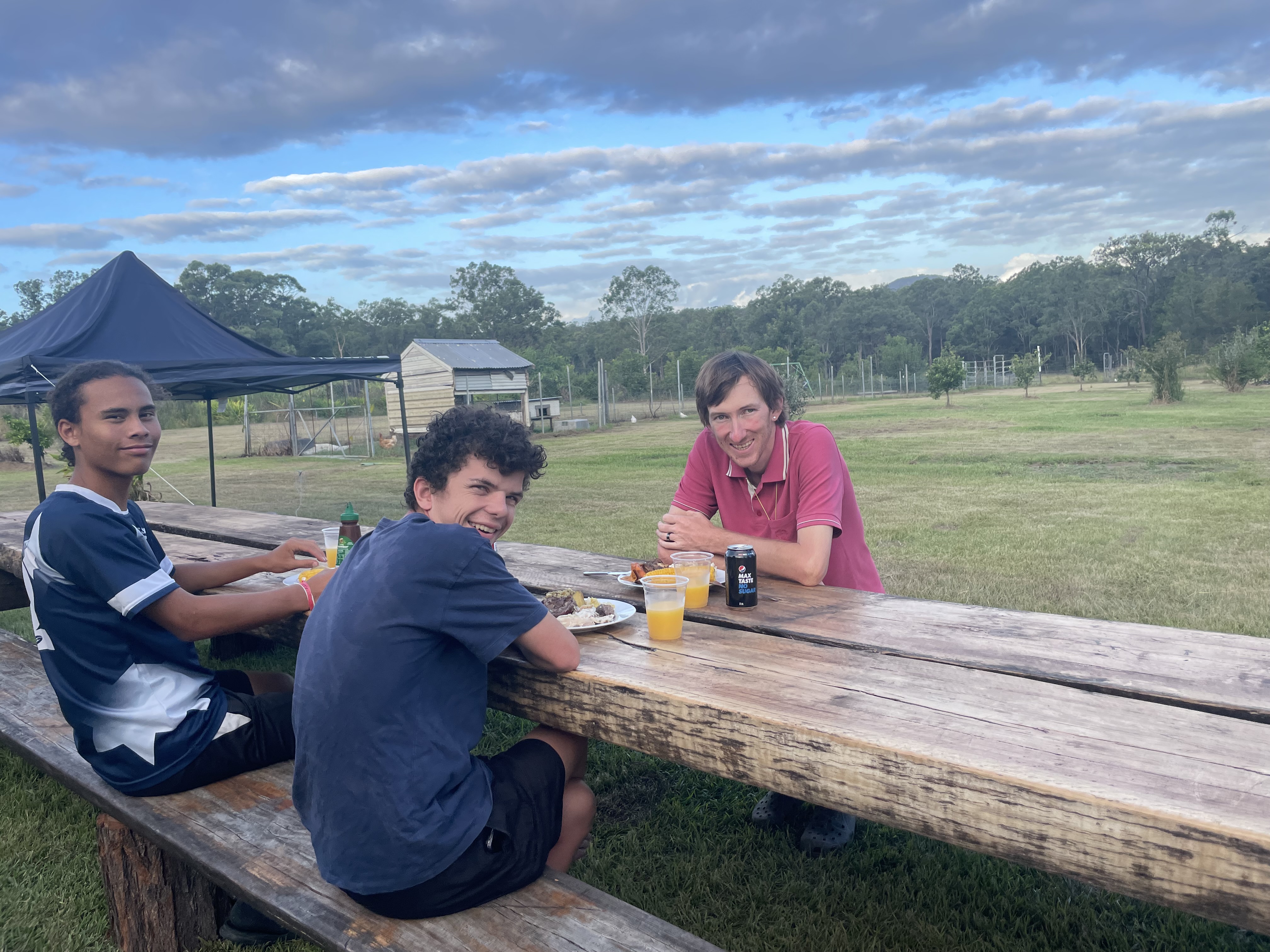
We had the pleasure of hosting some amazing NDIS guests who stayed on our farm recently. These 2 farm boys were in their element, herding the cows, fishing in the dam, showing us their animal decoy whistles and whipping skills. Thanks Chas and Carl from Dime for bring them down to our part of the world

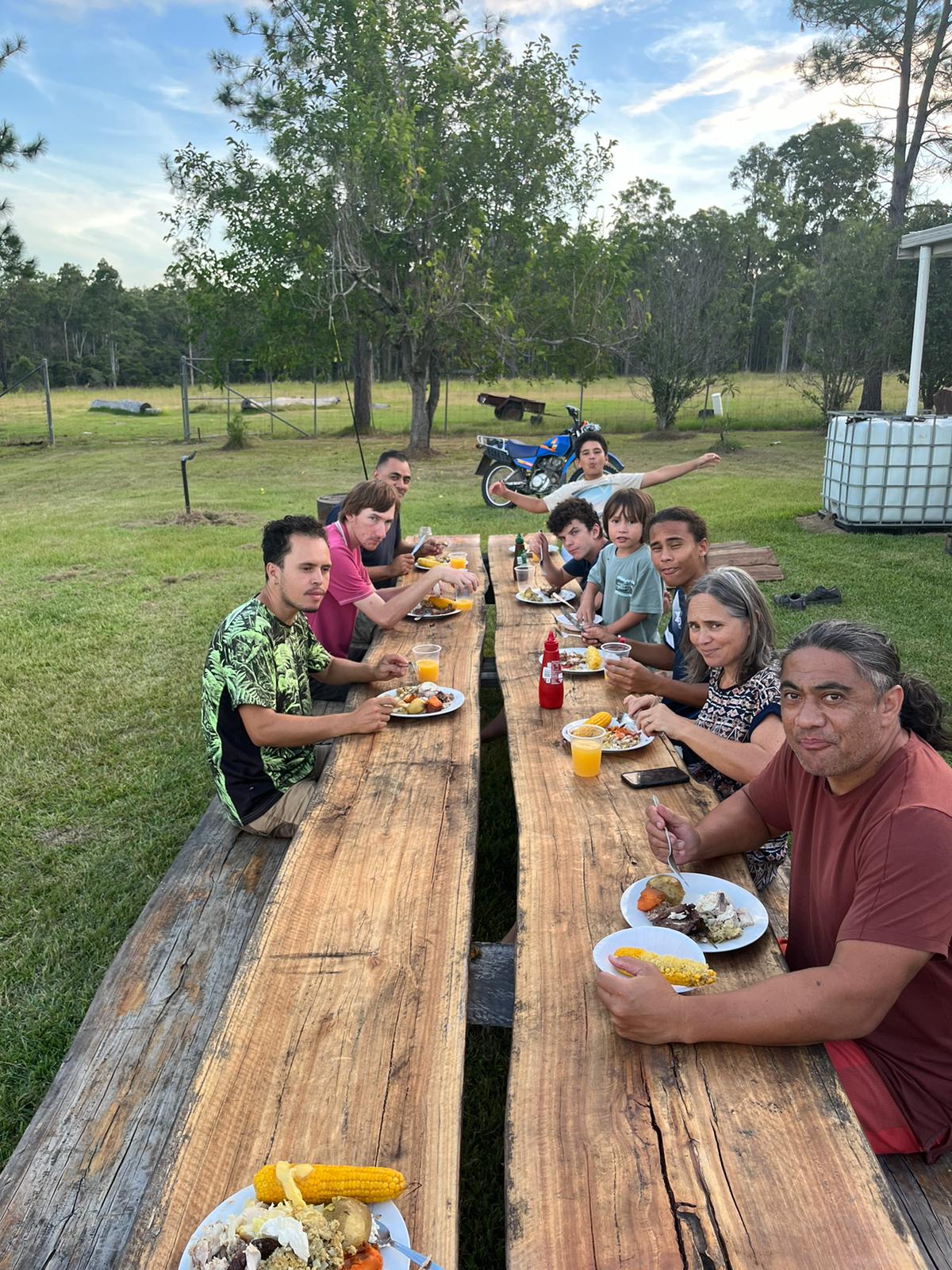
We’ve also had some incredible camps over the years, each one filled with unforgettable moments and cherished memories. Join us as we relive the laughter, camaraderie, and adventure of our youth camp held during the September holidays 2023.

Rosella! How to plant, harvest and use them.

Rosella’s are one of the plants that has grown consistently well for us here on our little piece of paradise.  They’re quite low maintenance and we haven’t had any problems with pests.

Rosella is a type of hibiscus that grows in tropical and subtropical regions. The rosella fruit is actually the protective calyx around the seed pod which is rich in vitamin C and antioxidants. So far, we’ve made jams, cordials, teas and sauces with them. Apparently, you can even add the flowers to salads to eat, you can stir-fry the leaves, and roast and dry the seedpods to grind and make flour with. We haven’t tried those yet, but maybe next season.

We plant our rosella seedlings in September, or as soon as the risk of frost has passed, in well-draining and fertilized soil, topped with sugarcane mulch.  Seedlings are spaced about 1 metre apart.  We’ll water them regularly when they are young or if we are going through a dry spell, but once they get going, they don’t need much maintenance at all.  Rosella’s grow abundantly around February to March, and it seems the more you pick the more they keep producing.

When the rosella’s turn deep red and look nice and plump, they’re ready to harvest.  Just snip them off at the bottom of the calyx. (We’ll leave a few rosellas on the plant to mature into seed pods for next year’s planting.)

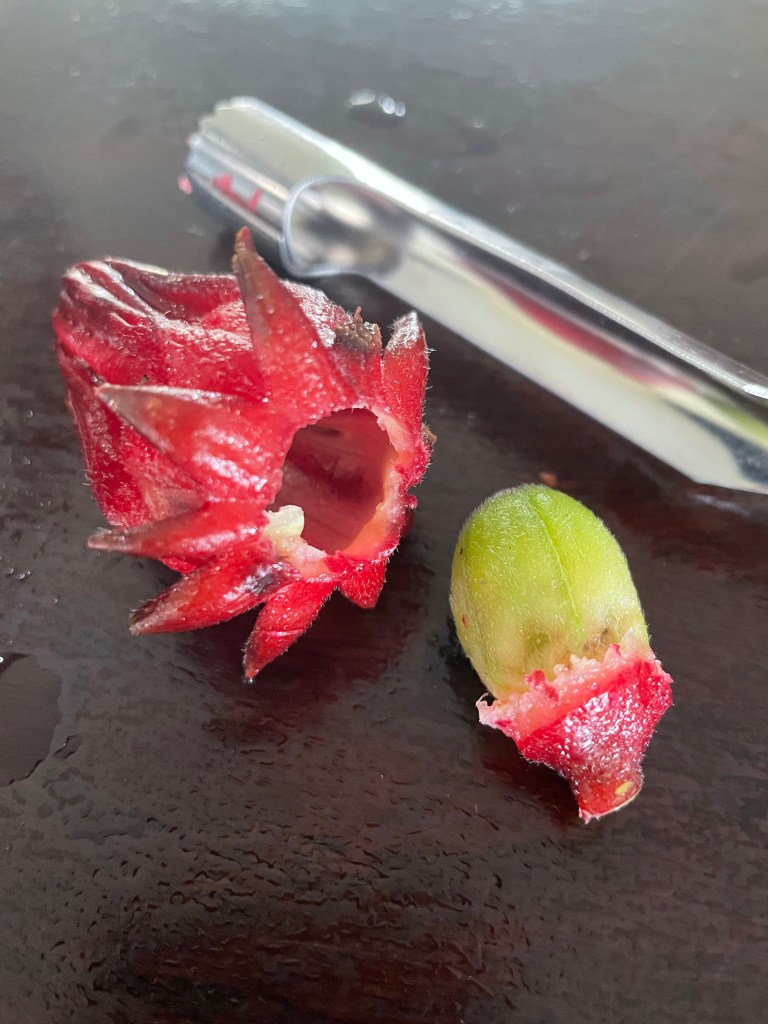
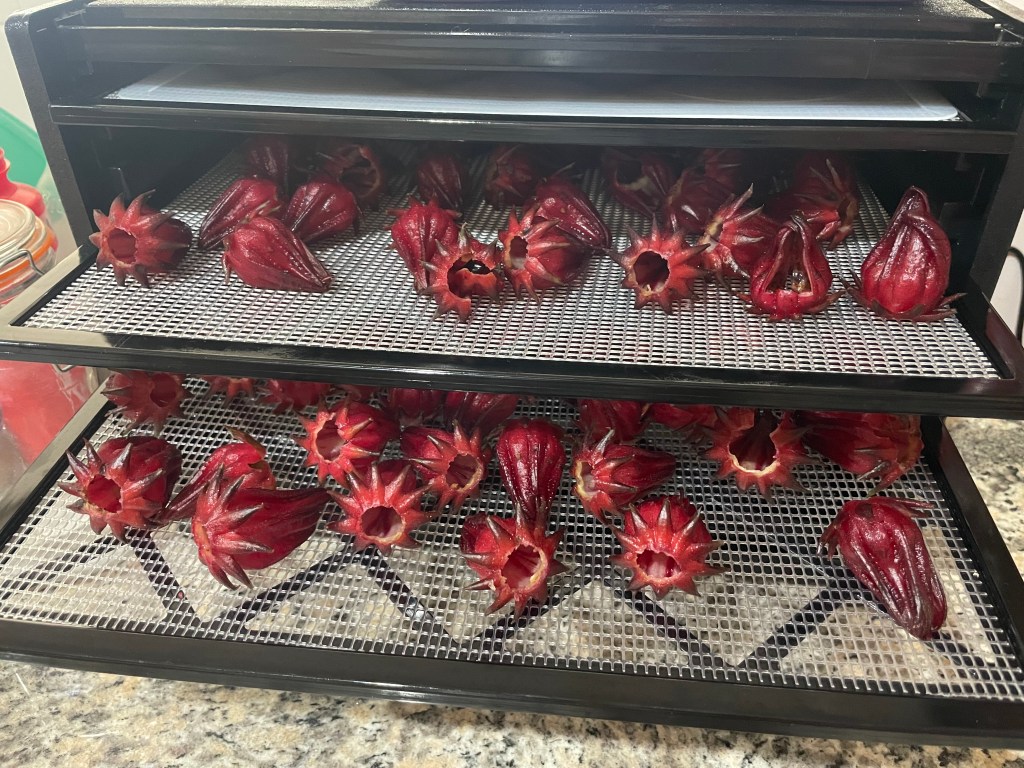
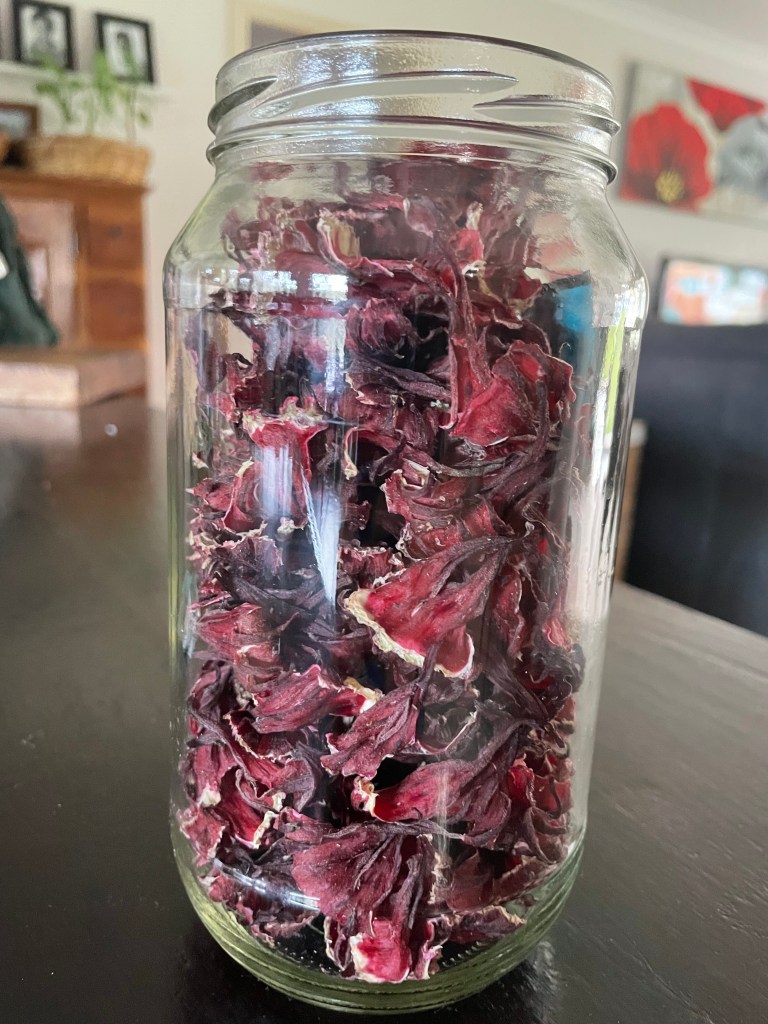
An apple corer deseeds the rosella beautifully, but if you don’t have one, just pick the calyx off around the seed pod. I like dehydrating them in one piece, that way I can put a couple of whole rosellas in my tea and they’re easy to just spoon out when ready.

Rosella Jam

Rosella Jam is so easy to make. You only need 3 ingredients. Rosellas, sugar or honey, and water. The only measurement we go by is whatever the weight of the cooked rosellas are, use the same weight of sugar or honey. The seedpods contain pectin which thickens the jam. You don’t actually eat the seedpods, they are just used to thicken the jam.

Steps:

  1. Separate the seedpods from the calyces and wash them separately.
  2. Put the seedpods in a pot. Fill with just enough water to cover the seedpods. Bring to a boil and then simmer for about 20 minutes.
  3. Once the seedpods have cooked, strain the juice into another pot and discard the seedpods. This is the juice you will make the jam with. It contains the pectin from the seeds which will thicken your jam.
  4. Add the rosella calyces to the juice and cook for another 20 minutes, stirring regularly.
  5. Once the rosellas are cooked, they can be blended if you want a smooth jam, or you can leave them if you like the texture. At this point pour the jam into a bowl and weigh the mixture and return to the pot.
  6. Whatever weight your mixture is, add the same weight of sugar or honey to the mixture and cook for about another 20 minutes or until the mixture is the right consistency. (One way to test is to put a plate in the freezer beforehand. Drop a blob of jam onto the frozen plate. If the jam sets firm, and you can tip the plate sideways without the jam running off the plate, it’s good to go!)
  7. While the jam is cooking it’s time to sterilize your jars. Wash them well with detergent and warm water, then place them in the oven at 120 degrees celcius for 10 minutes. Boil some water and sit the lids in the boiled water for 5 minutes, then drain.
  8. Once your jam and jars are ready, pour the jam into the jars, let them cool a bit and put the lids on.

If you accidentally add too much water like I did the first time, no worries, you can make it into a cordial for drinks, or a syrup to add to desserts.

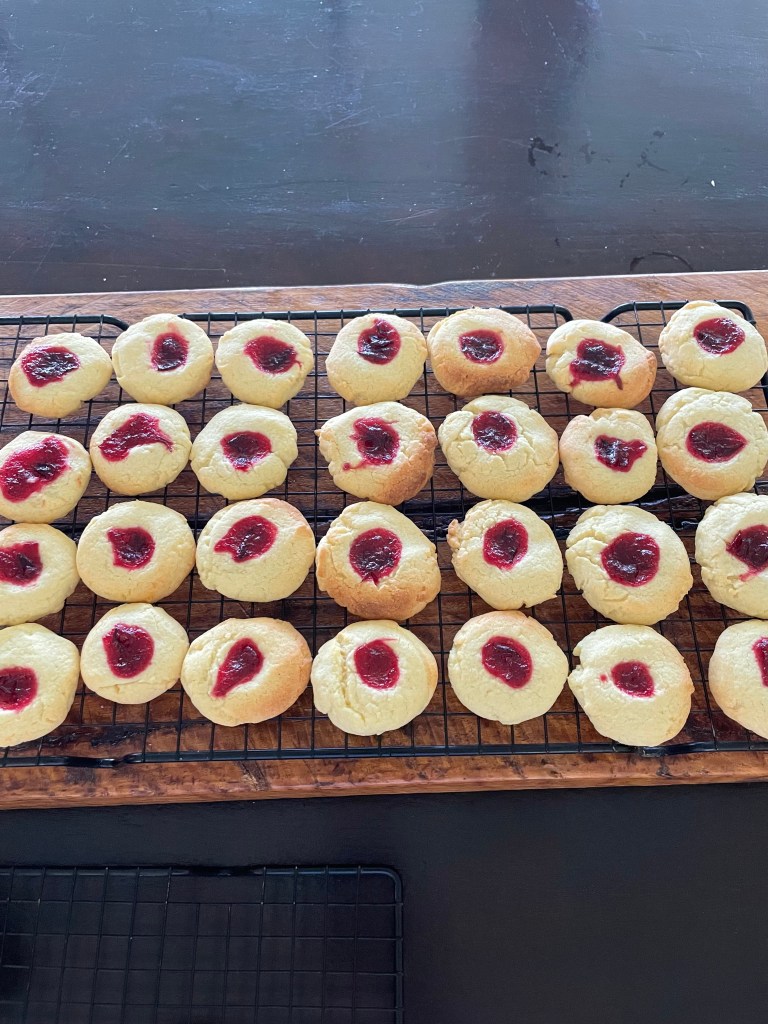
Here are some ways to eat your rosella jam!

Garden Update!

It’s been a while since we’ve updated the blog. Not that we’ve had nothing to blog about, it’s just that we’ve been so busy with so many projects, and blogging is quite time consuming.

Now that we’ve been on our property for over 5 years, we’ve learnt quite a bit. We’re finding out what naturally grows well for us here in the Clarence Valley and what techniques and methods we need to use to help the plants that don’t grow so naturally here. We’ve failed a lot of plants, but we’ve had a lot more successes. We’re learning how the weather works to and against our advantage, and the possible natural disasters that we need to be prepared for. We’re discovering what types of pests keep coming around and which plants are more likely to be ravaged by them. There is so much to learn but we love it! We will be forever learning here on the farm!

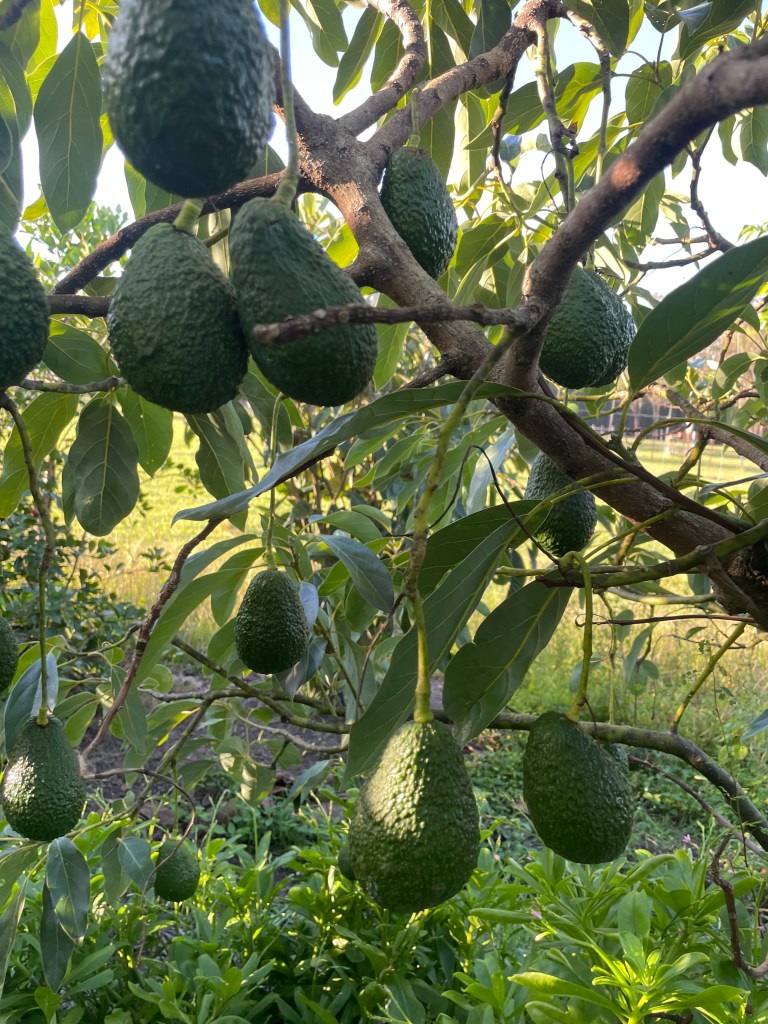
Here’s Koro and Jojo checking out the cherry guavas and avocados in the food forest.

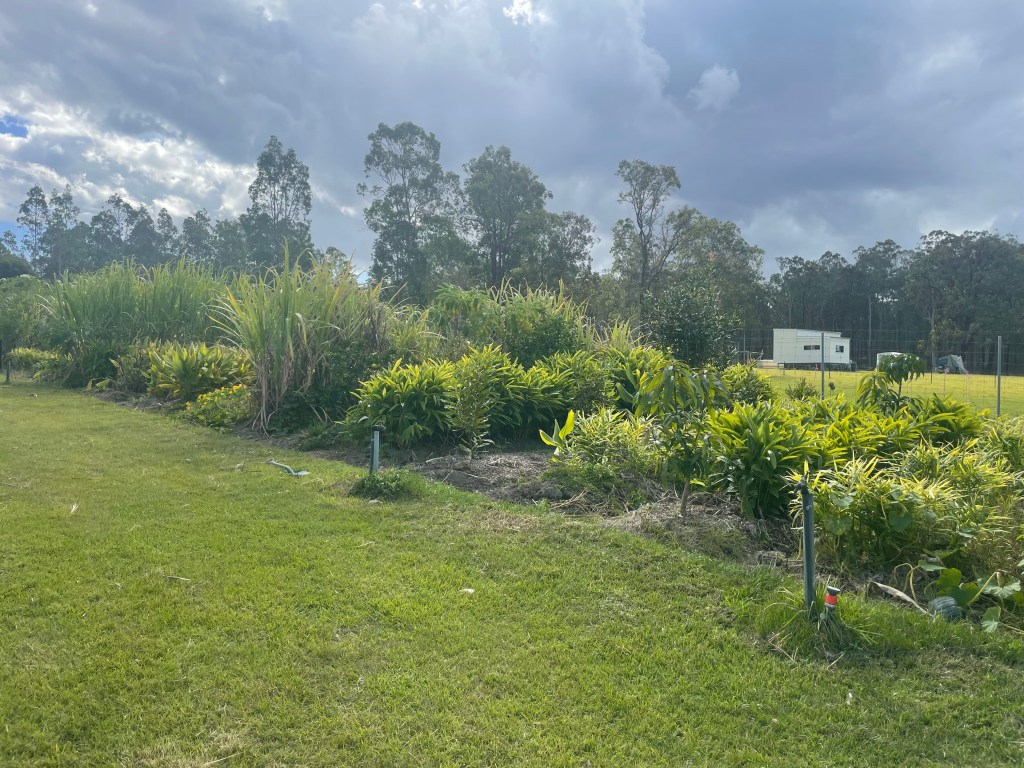
Our best growing plants here in the Clarence Valley have been garlic, turmeric, ginger and rosella. They’ve been fairly low maintenance and we haven’t had problems with pests. We harvest and use these extensively which I will post about in the coming days…so stay tuned! Sugarcane and Arrowroot grow well here as well, which we use as wind breaks and shade for summer. They also make good chop and drop plants (chopping down to use as mulch).

One of our favorite fruits that we’ve been struggling to grow here is a mango tree. We had one growing really well on the Gold Coast which we planted and did nothing else to it and it thrived. But here in our frosty climate with clay soil and a few years of either drought or floods we’ve struggled with them. We’ve killed quite a few – not intentionally of course, but we do have a couple that are looking really good at the moment in the food forest. Hopefully they’ll survive this winter and will keep flourishing!!!

We’ve had good seasons and bad seasons of potatos, tomatos and the usual basics. We love corn but have to fight the critters before they beat us to them. We’ve had a lot of bandicoots (a marsupial that looks like a large rat) this year. They love our garden too! Our gardens are forever changing, as are our challenges. Bring it on we say!!!

Here’s just a few of the goodies we have growing in our gardens. I will endeavor to post more details as we learn how to grow, harvest, and use them!

Our little herd of Cows

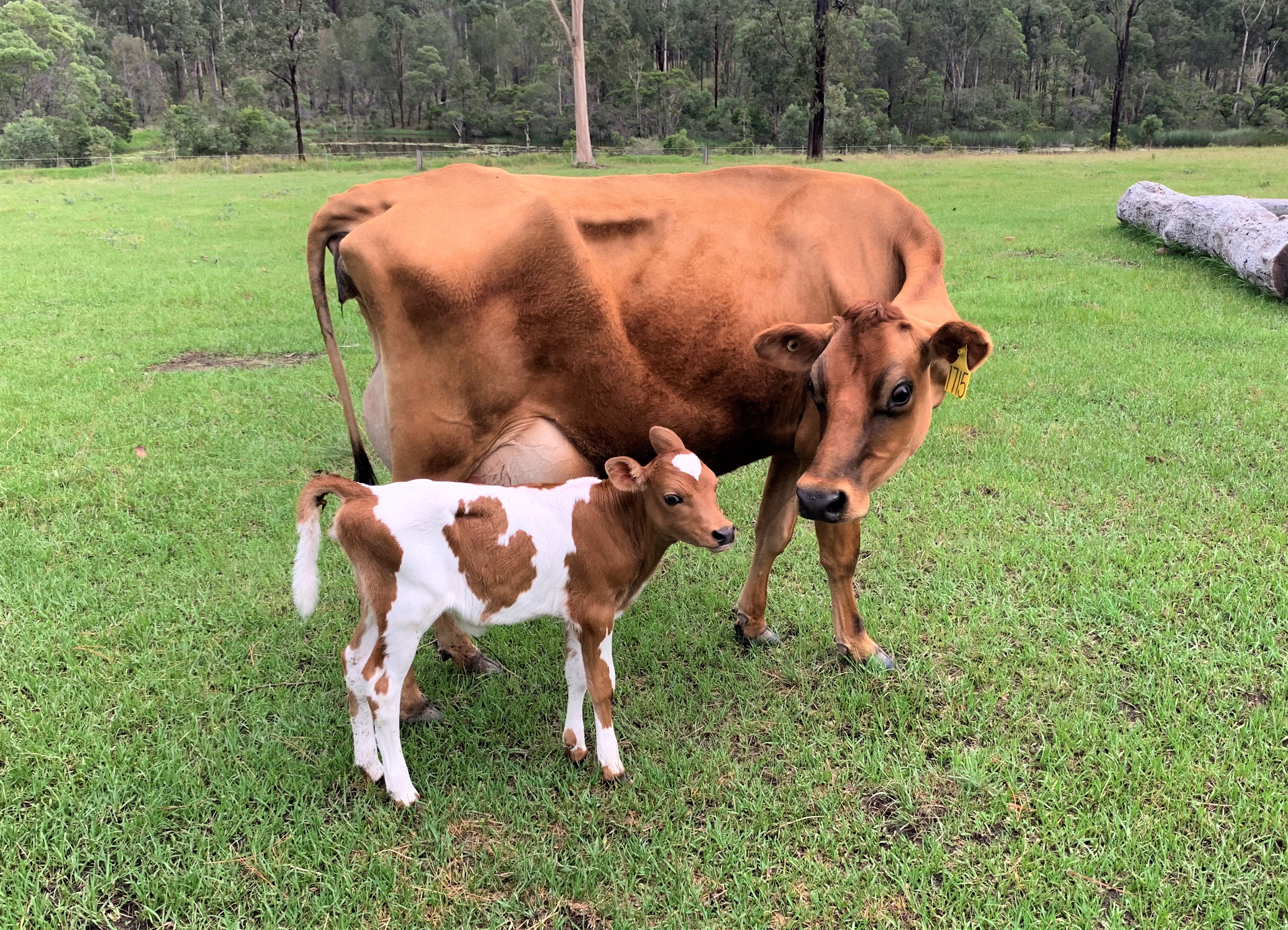
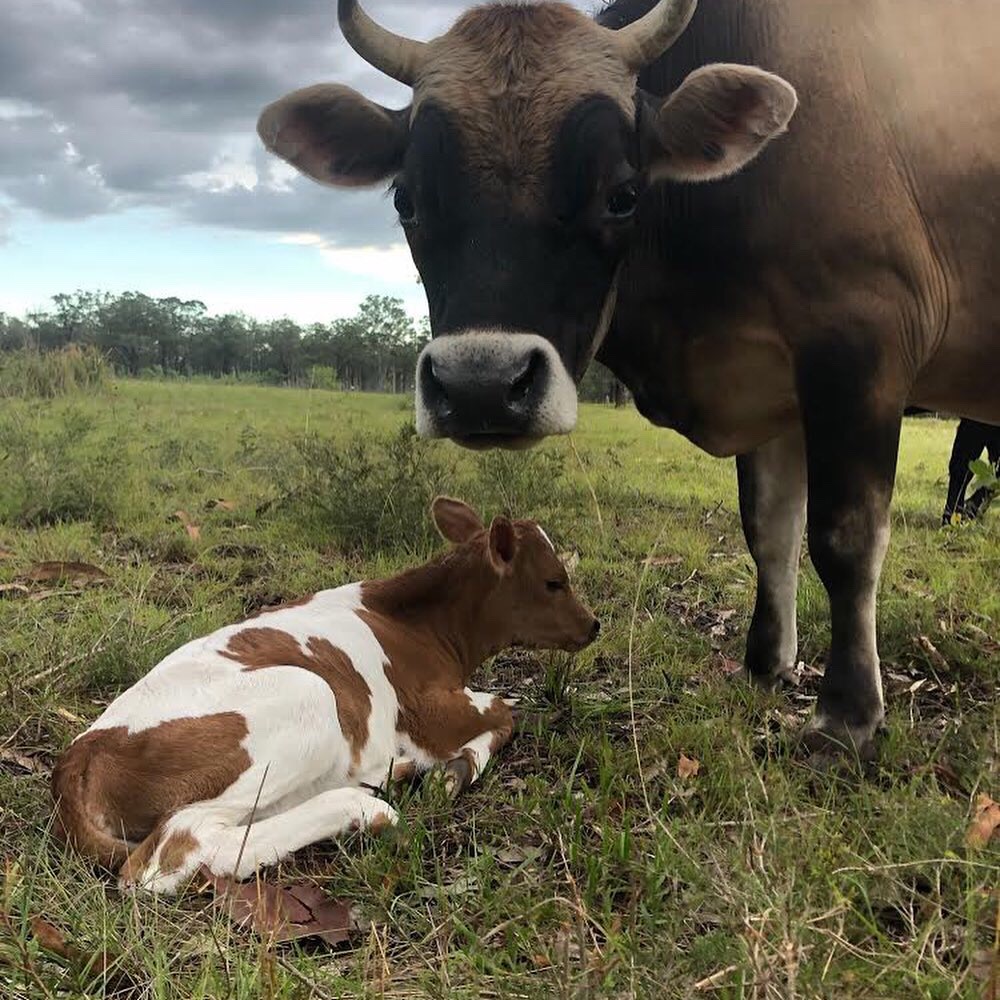
Our Heifers upgraded to the ‘title of Cow’ this summer. For those that don’t know, young female cows are actually called Heifers and aren’t considered “Cows” until they have given birth. Thanks to our neighbors’ young jersey bull who has become part of our farm family, we now have 5 healthy gorgeous calves.

This was a special moment…my first time being a midwife to a cow. Little “Summer” was born just before Christmas.

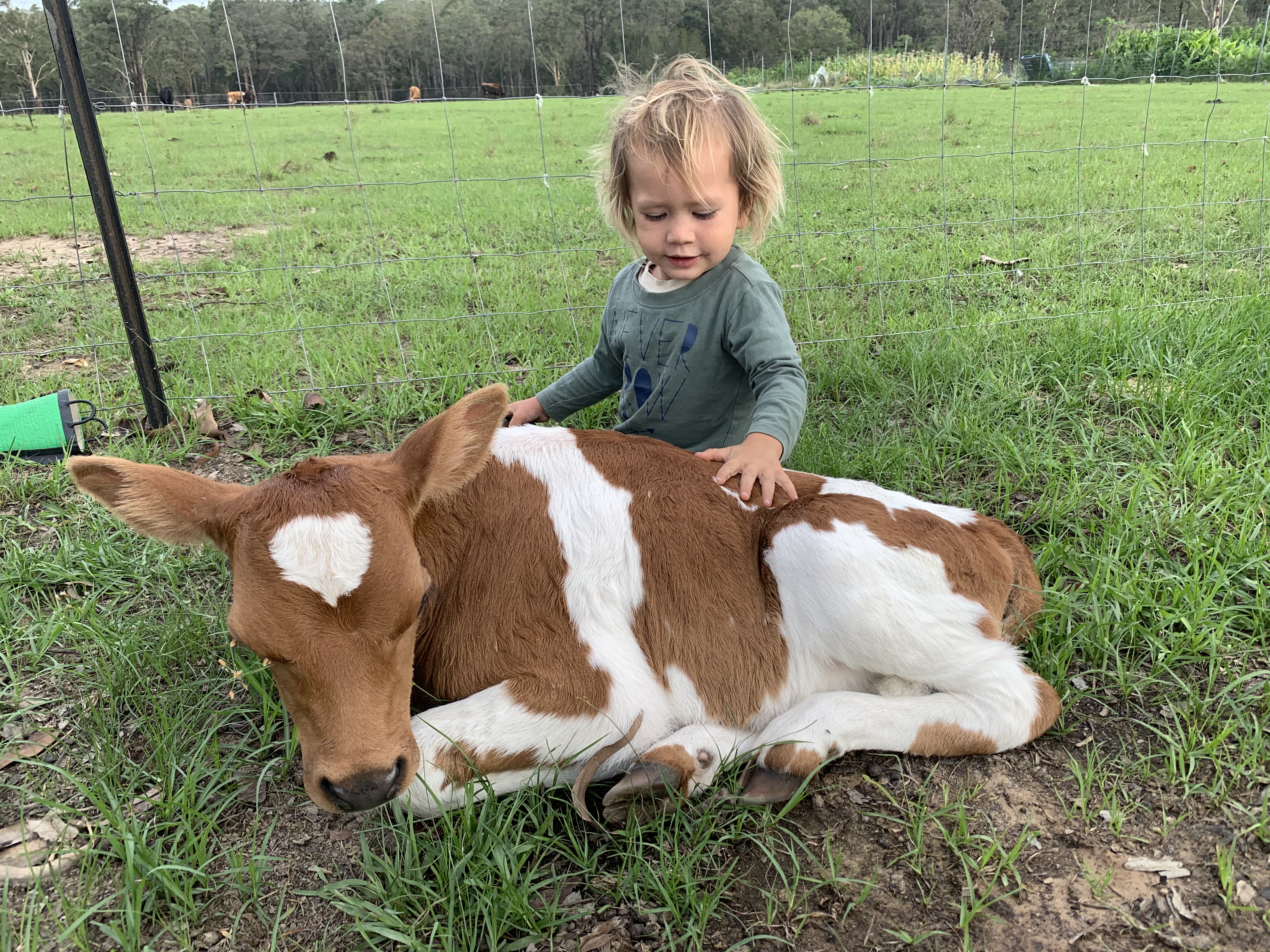
She has a heart on her forehead, and one on her side (well… we like to think it is). Here she is with her proud mama and papa, and little Josiah who is practicing being gentle.

The Food Forest

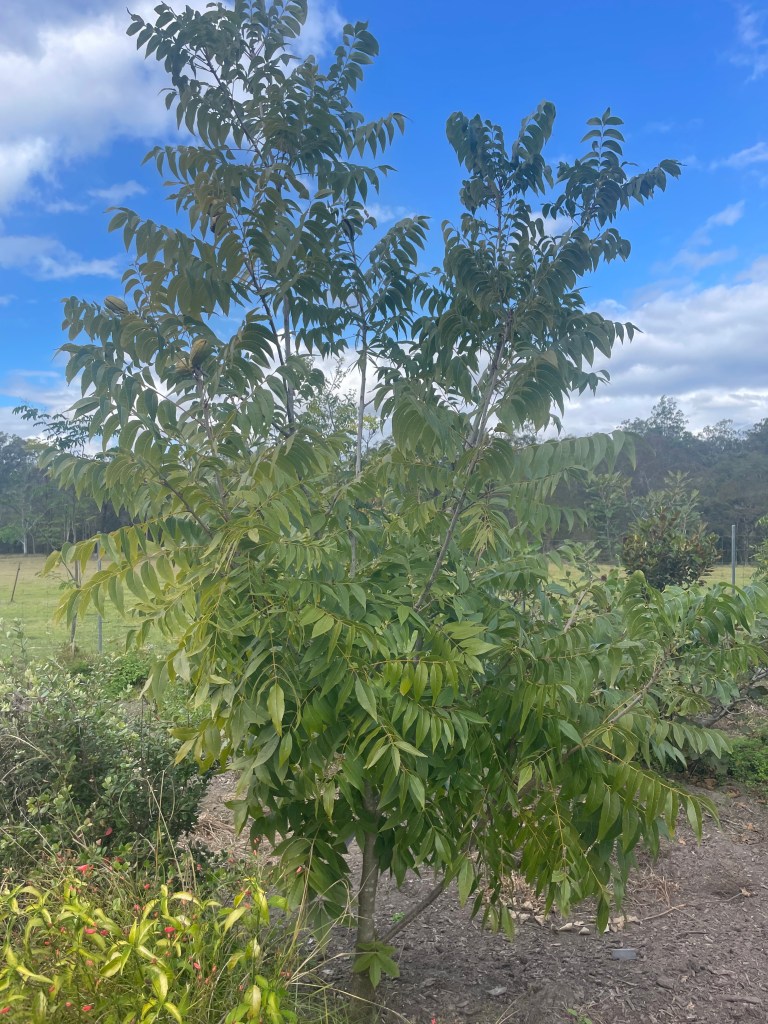
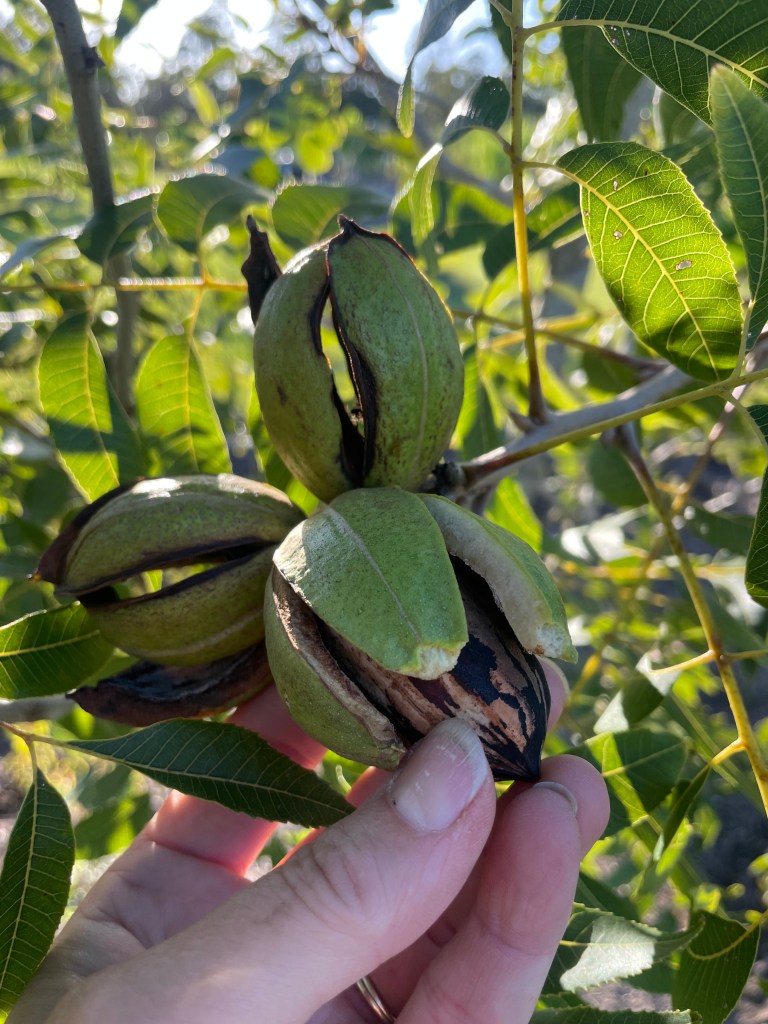
It’s been a while since we last updated…and there’s a lot to update on. We’ll start with the food forest. In winter last year we were lucky enough to obtain over 100 fruit and nut trees from a friends farm. These included different varieties of pecans, almonds, mangos, peaches, plums, cherries, finger limes, cherry guavas, figs and more.

Unloading a truck full of fruit and nut trees

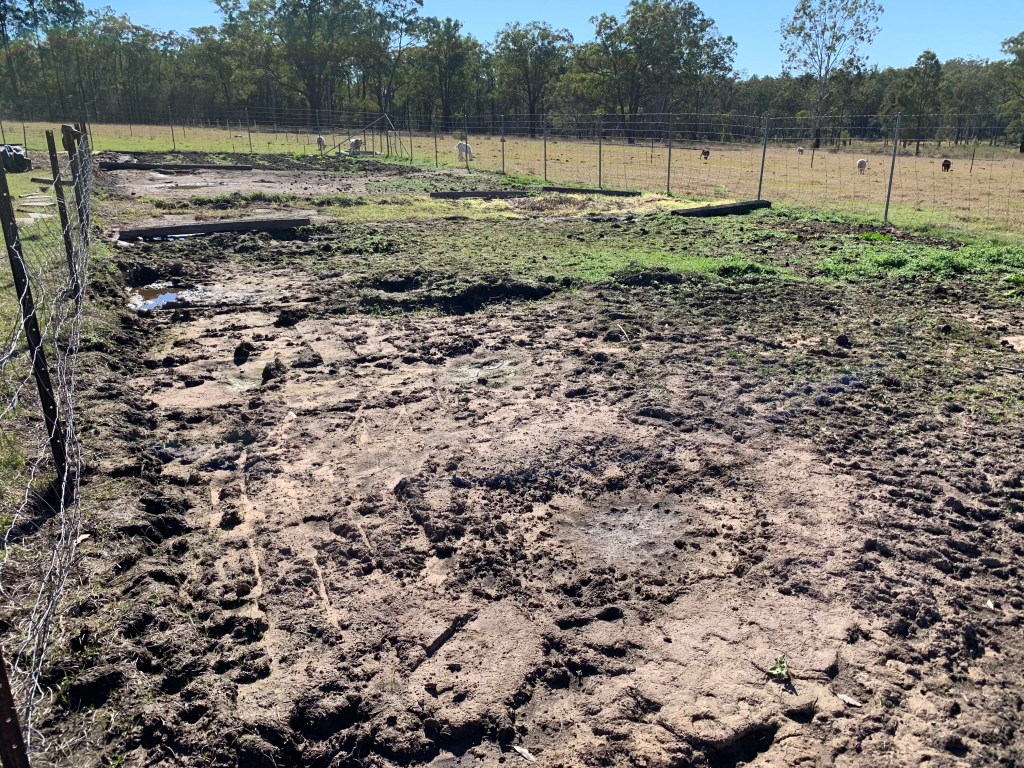
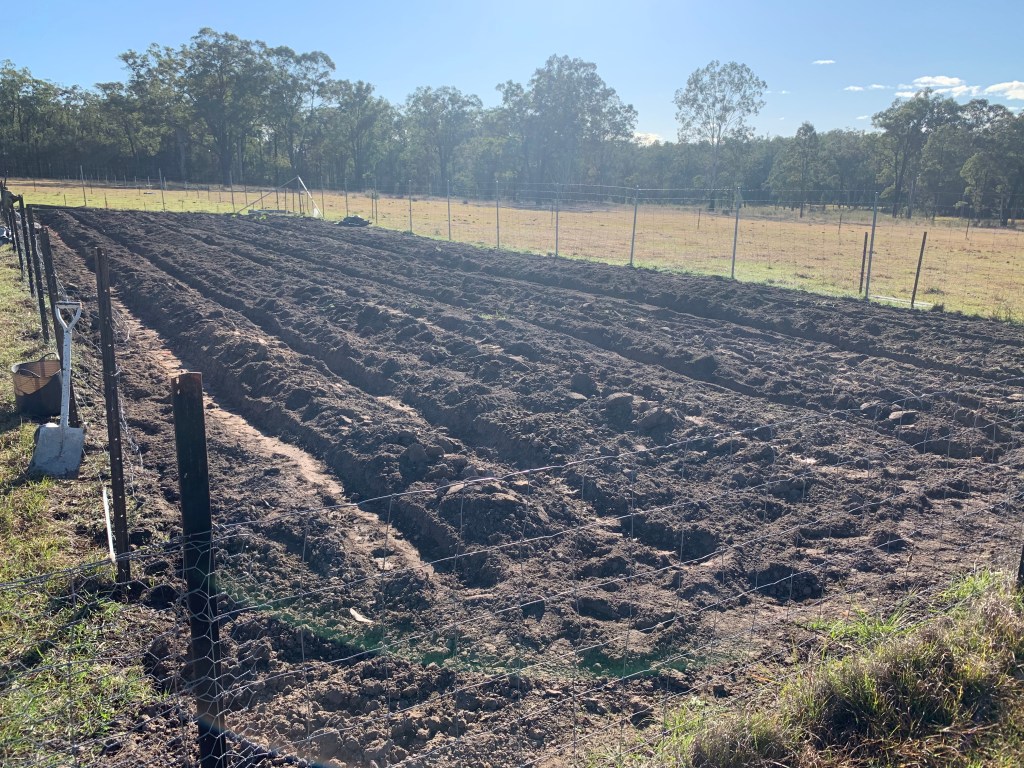
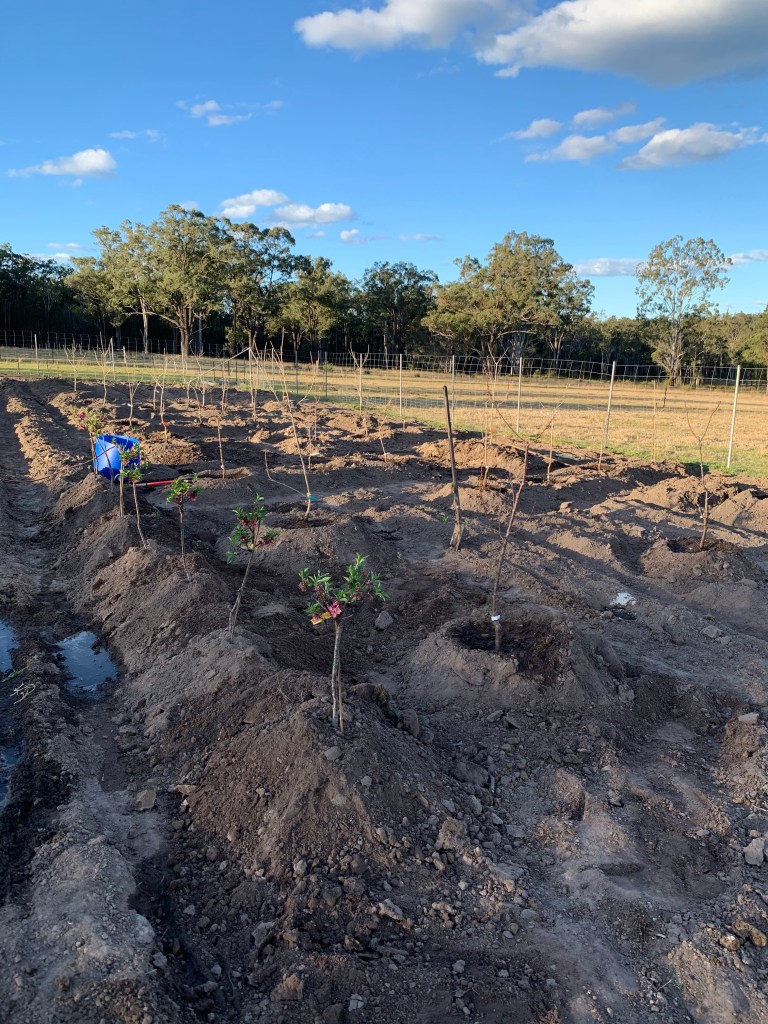
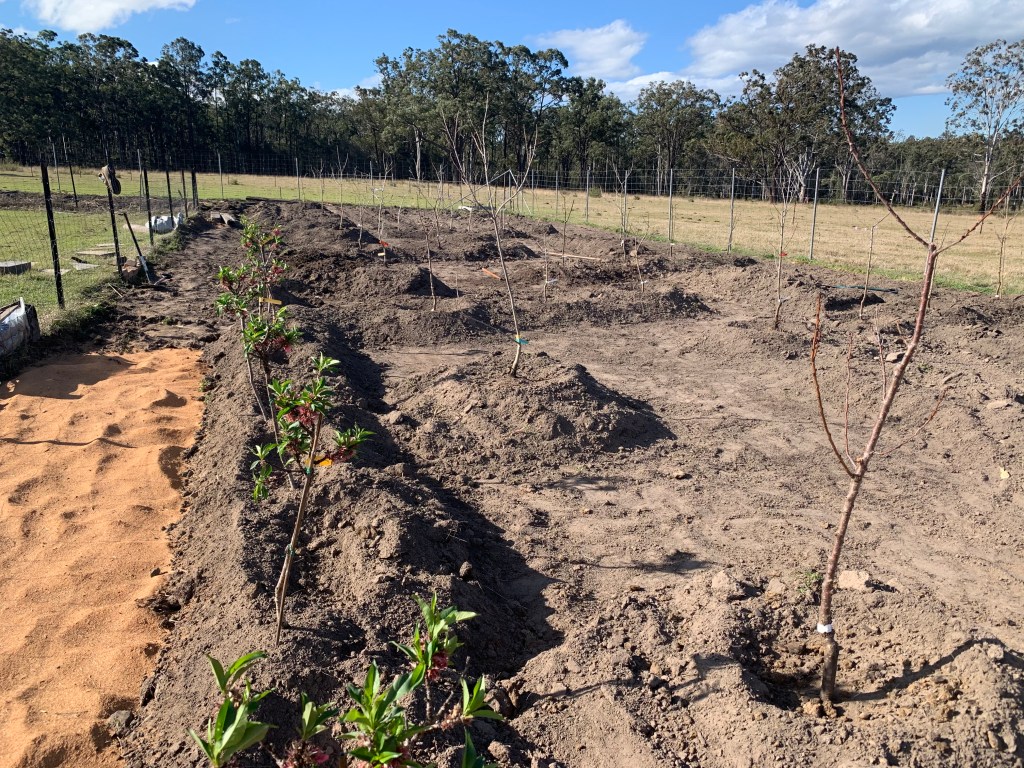
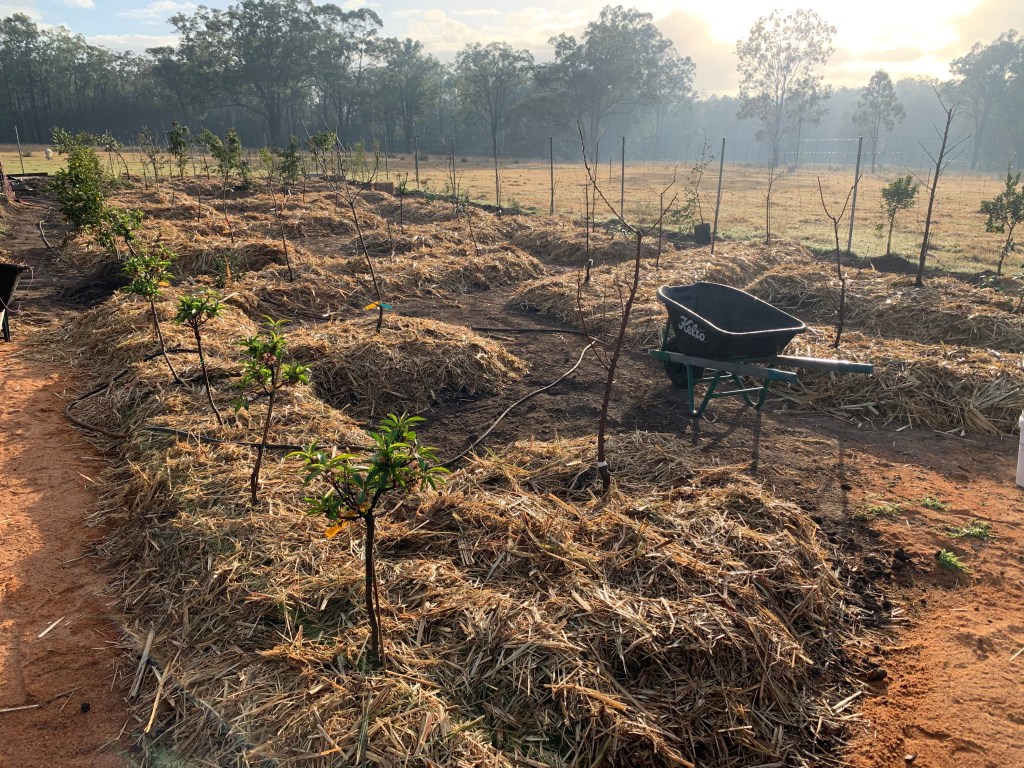
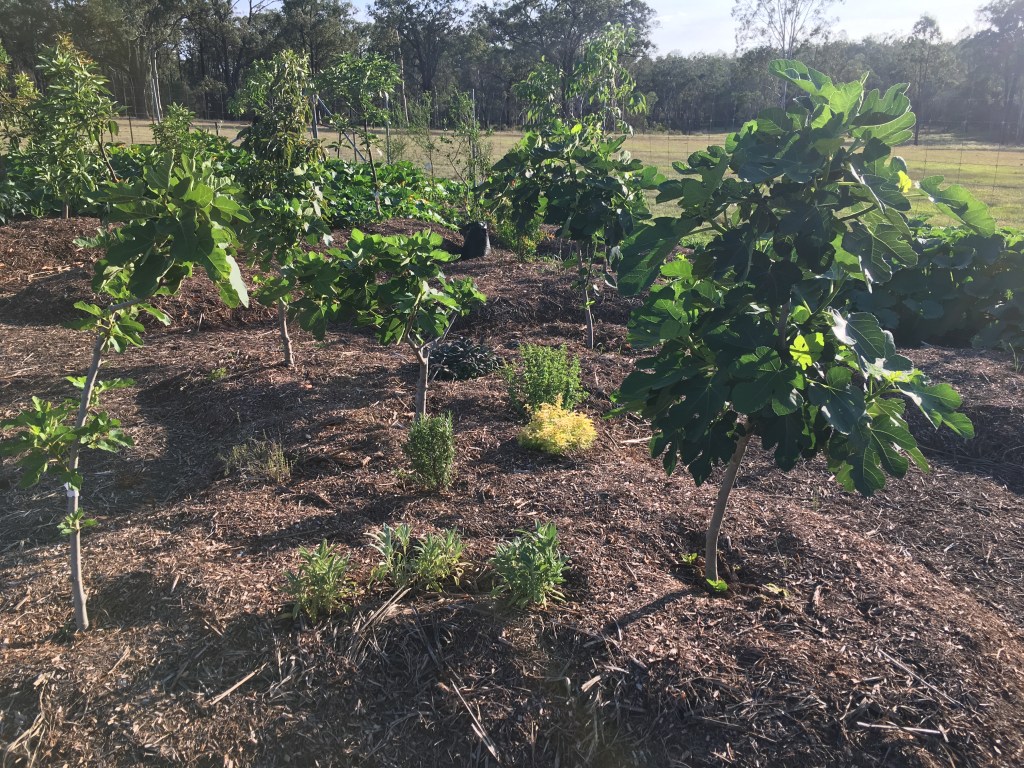
We created the food forest on the patch that we had previously built up as garlic beds and then pig pens. The pigs did a great job of digging up the weeds and grass and fertilizing the area. Here’s the transformation from a dirt patch to the food forest! Most of the trees were bare rooted (dormant in winter and have no leaves) so it looked like we were just planting twigs. But as spring and summer hit and the leaves grew, our food forest started taking shape.

Pumpkins, watermelons and zuchinni started popping up everywhere thanks to the pigs dropping seeds all over the place.

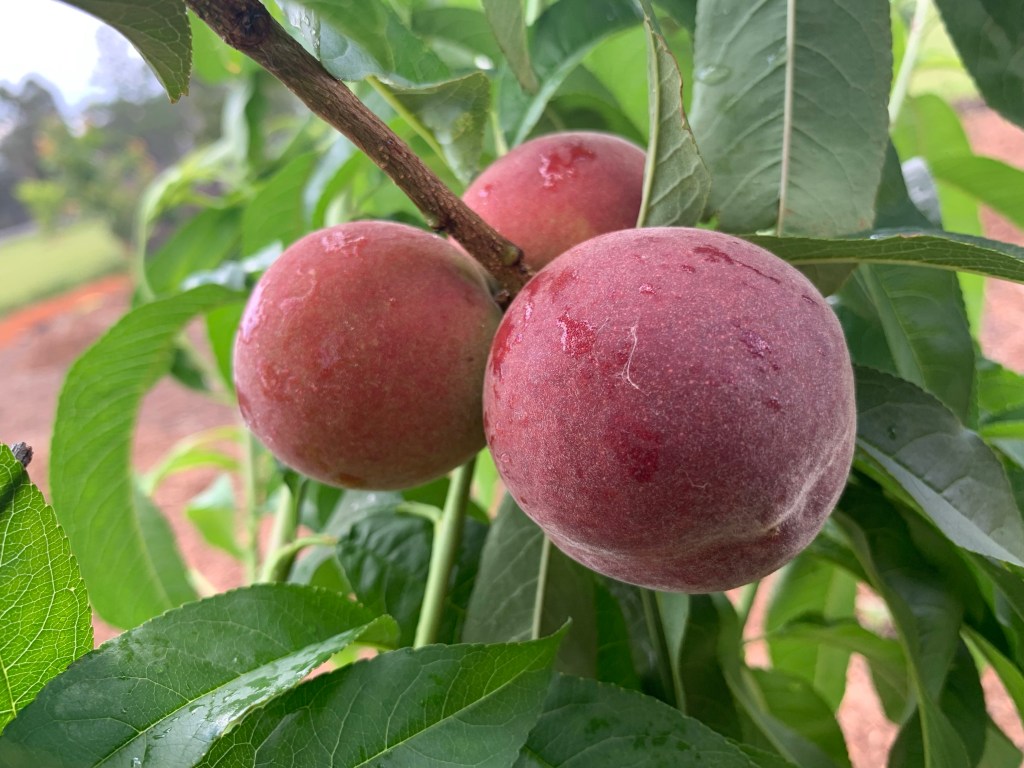
The peaches surprised us with some early fruit. We certainly weren’t expecting any fruit this summer so it was pretty exciting. We can’t wait to see what they produce over the next few years.

Peaches Yum!

The Wild Brumbies

Sometimes you win and sometimes you just have an experience.

The very first day we looked at this property we had a glimpse of our local brumbies and each year around the same time they’d come back.  They must do the seasonal rounds in this area.

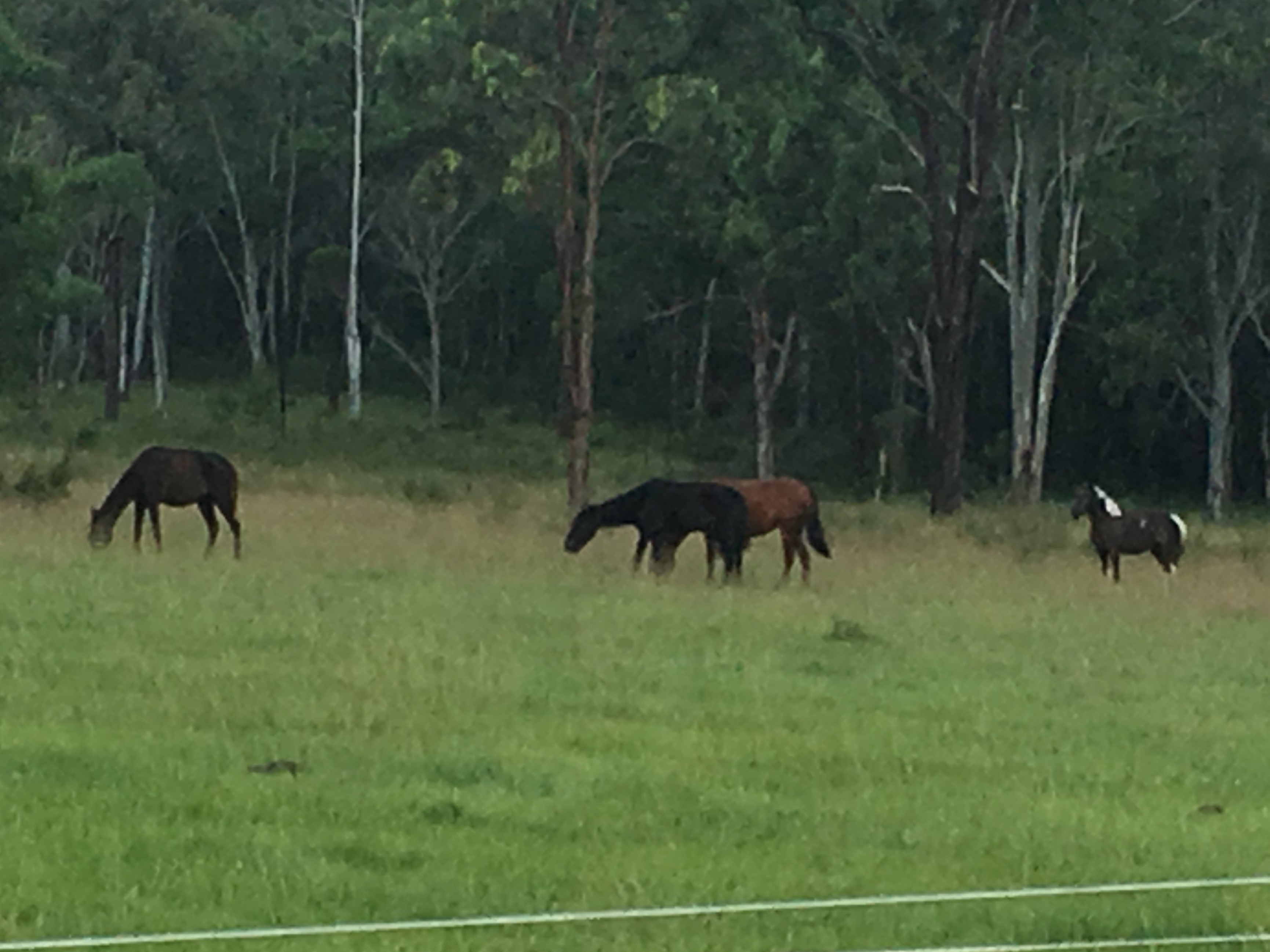
This year they came back to us after a pretty rough year.  The drought and fires would have taken a toll on them.  Four brumbies turned up on our fields after the flooding rains broke the drought.  Two of the brumbies were in quite a bad state and we were helpless to save them.  They wouldn’t let us get anywhere near them and wouldn’t take anything we offered them.  They soon passed away much to our disappointment.

Brumbies

We managed to get some cattle yards together and lured the other 2 brumbies into them in an attempt to tame them.  A very ambitious task, considering we’ve never had horses before.  But that’s how we roll here on the off-grid farm.   Our motto is: Just get stuck into it!

Meet Neisan (the brown horse) and Storm (with the striking white main and white tail)

We looked at doing courses on training wild brumbies using the 4BP(4 Brumby Protection) method, a method that’s been successfully used out in the outback and is really gentle.  It basically teaches you how to be a “horse whisperer”.  But the covid19 restrictions put a halt to these courses and we couldn’t even get someone out to coach us because of all the isolation restrictions.  So we had to try breaking them in on our own using videos and emails.

To begin the 4bp method you look the horse in the eyes and when you make eye contact with them you put your head down in submission to let them know you mean no harm.  Karl was the only one game enough to get in the pen with a wild horse…it’s not for the faint hearted!

We were soooo looking forward to getting to the point where the horses would feel comfortable being around us…but that wasn’t to be.  Someone left a gate unlocked one night and the horses found their way out….ohhh the disappointment!  Like I said at the beginning, sometimes you win and sometimes you’re left with an experience.   It was a pretty cool experience though.  Although the horses still didn’t like being touched by us we were able to get Nesian to eat hay out of our hands and we managed to get worming pellets into them.  So hopefully they’ve left a bit healthier than when they came…and hopefully we didn’t frighten them too much that they don’t ever come back again!

Anyway here’s a video of our special time with our local wild brumbies

The kids loved spending time with the brumbies

Brumbies aren’t native to Australia.  They were bought in by the first settlers and left to roam wild.  There is a lot of controversy over the management of wild brumbies.  They are considered a pest by environmentalists and the government  because they disrupt the native ecosystems and then there are groups that want to protect them and consider them as part of Australia’s heritage. We would never want to harm these beautiful creatures and would happily take on any brumbies that come our way!

Perfect time for gardening

With all the isolation time we’ve had over the last couple of months and the weather turning cooler, it’s been the perfect time to get out in the garden.  We’ve been as busy as ever cleaning up, weeding, preparing garden beds and planting.

Here’s some of the goodies we managed to harvest this year despite the drought.

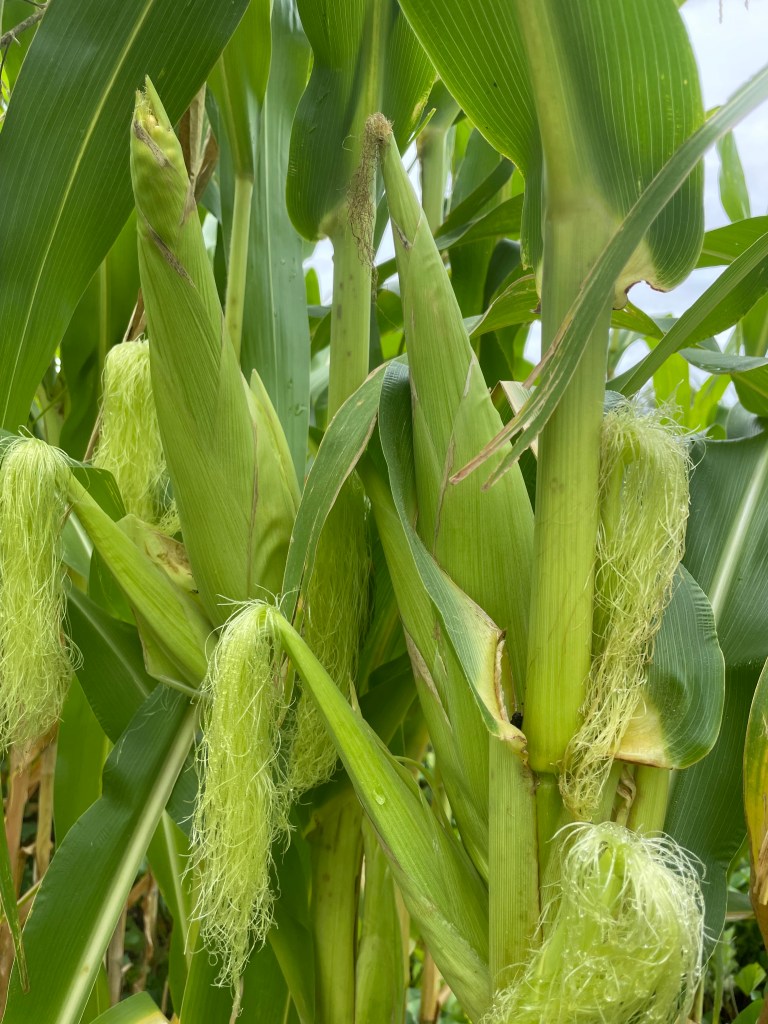
Corn is always a winner with the kids!

We’re just eating the last of our water melons now, but we also had rockmelons, honey dew and candy melons

Who knew peanuts grow underground?  I watched a video of a lady harvesting peanuts so I thought we’d give it a try.  I bought some raw peanuts from a health shop and we planted them.  They came out just as peanuts should…we’ll definitely grow heaps more next year!

Our turmeric, ginger, lemon grass and arrowroot are all multiplying well.  They will die down over winter but will bounce back when spring comes.

Karl’s well mulched pumpkin patch and cassava plants.  You eat the roots of the cassava, so Karl’s just checking them to see if they’re ready or not.  On the left is the start of our sugarcane plantation…it’s only 1 row at the moment.

When you don’t mulch your garden it ends up full of weeds.  This was the watermelon patch that didn’t get mulched…but thats OK we bought in Sydney the goat to tidy this up for us.  He’ll munch it down in no time!  If we had put in that extra time mulching around the watermelon seedlings it would have saved the hassle of weeds later (lesson learnt!)
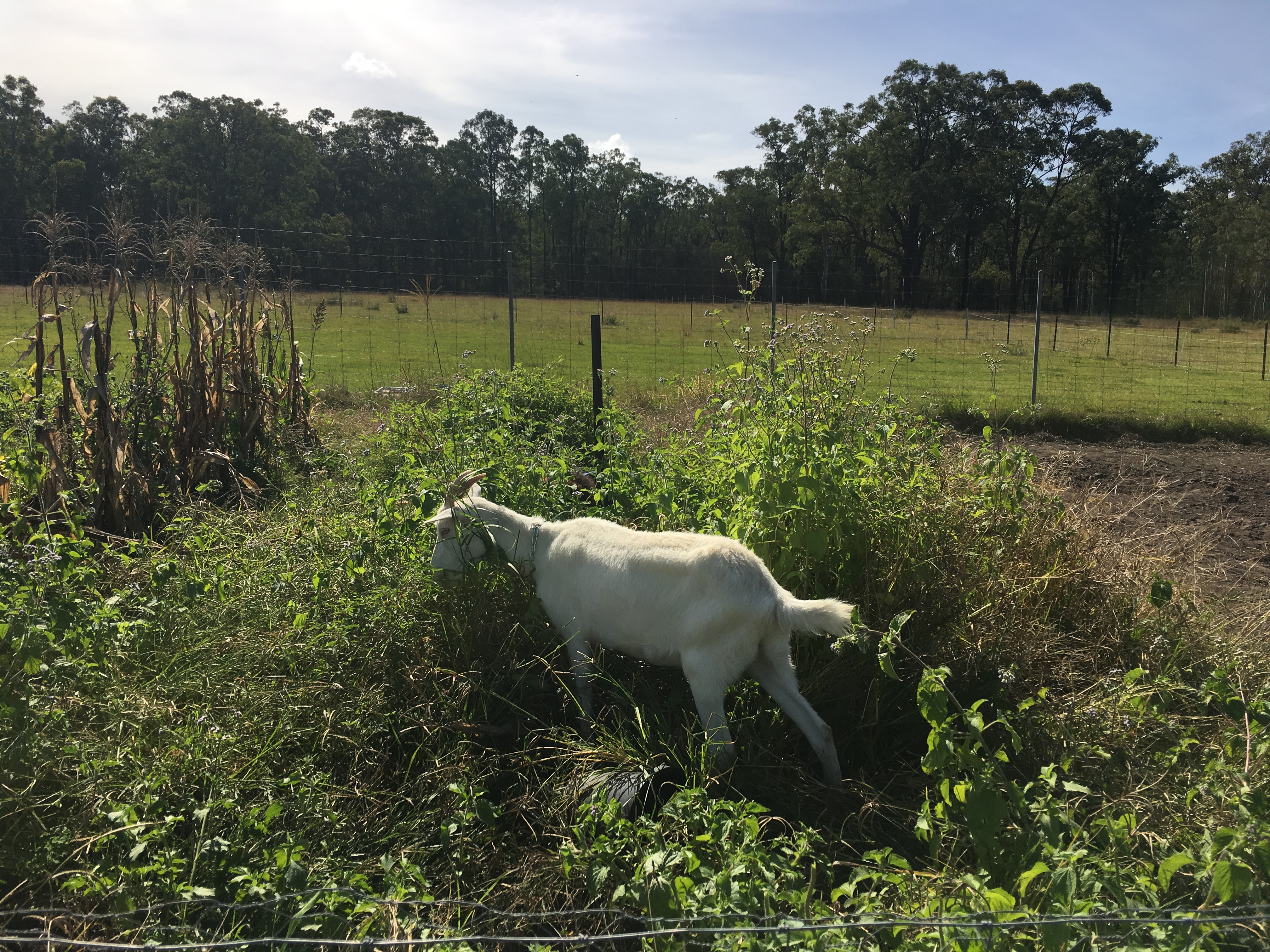
goat

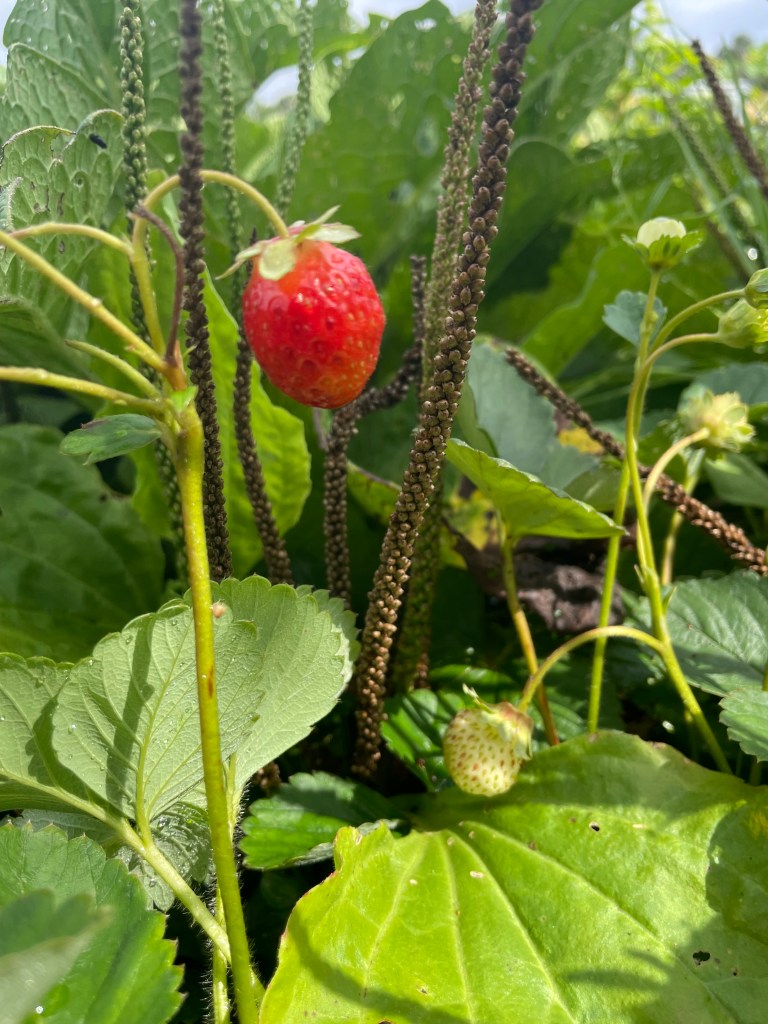
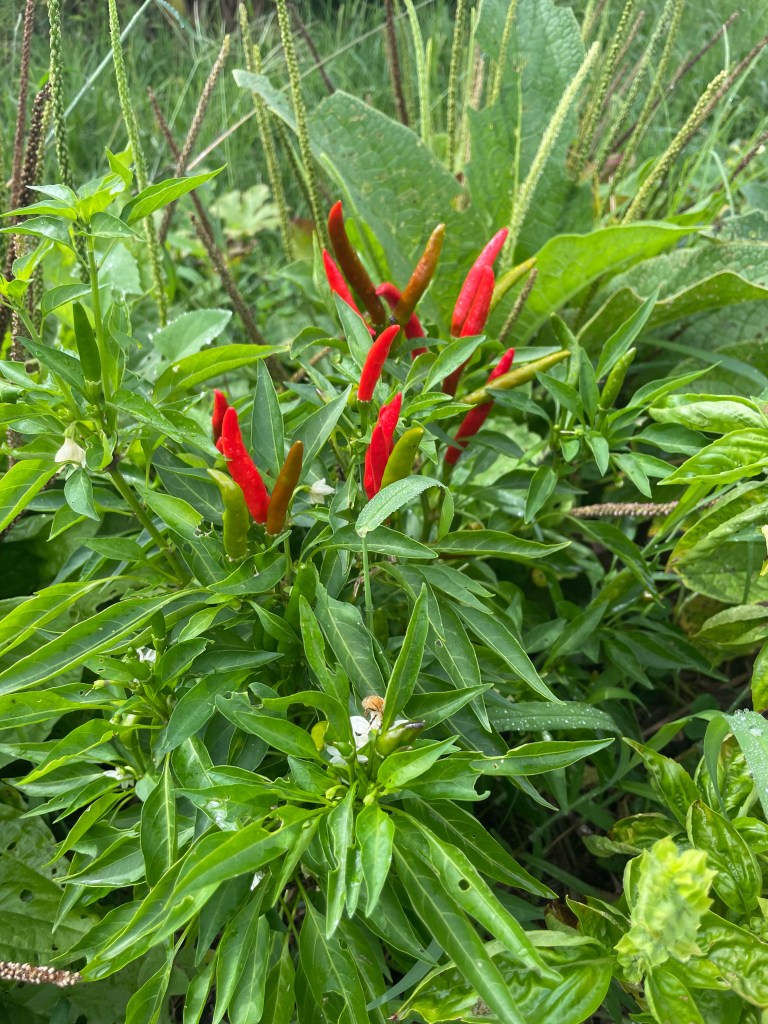
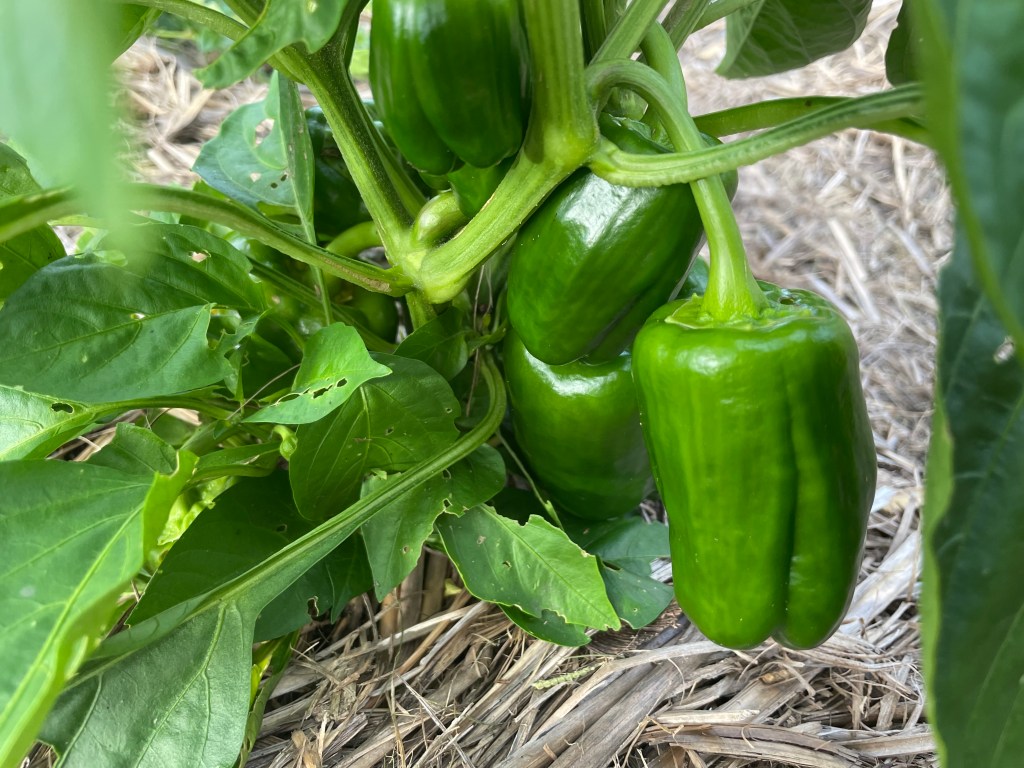
Here’s a few more things we managed to keep alive over the drought period.  Tomatoes, strawberries, eggplant, capsicum and chillies

I didn’t know anything about rosellas until Karl pointed out that they’re edible.  They are packed full of nutrients and are usually made into jam, but we’ve been using them in a tea with lemongrass and ginger…this is our Covid immune booster tea!…and this is why:

Nutritional value:  Rosella flowers contain 260-280 mg of vitamin C, vitamin D, B1 and B2 in each 100 grams.  Rosella tea itself contains very high calcium, approximately 486 mg per 100 grams.  It also contains Magnesium, Omega 3, Vitamin A, Iron, Potassium, Beta Carotene and Essential Acids.  In traditional medicine, rosella is known to increase stamina and endurance, help with detoxification (neutralizing poison) as well as lowering blood pressure, blood sugar levels, uric acid and cholesterol in the body.  Helps to treat a cough, sore throat and canker sores, yet can also soothe a migraine. https://organicmotion.com.au/rosella/

Our garlic went well this year and we have a new season of garlic all planted and happily growing.

These are our loofah plants.  We’re just waiting for them to turn yellow so we can pick them.  They will be our body scrubs…I’ll put up a post when they’re ready!

We’re getting our winter gardens ready now – peas, beans, lettuces, kale, cauliflower, broccoli etc.  Yep we’re as busy as ever.  This isolation time has actually been a lovely time for us.  When we were going through the drought and fires we were wondering whether we made the right choice moving out here…but at times like this we are so glad we took this opportunity and are counting our many blessings! Keep safe and healthy everyone!!!
The off grid wedding

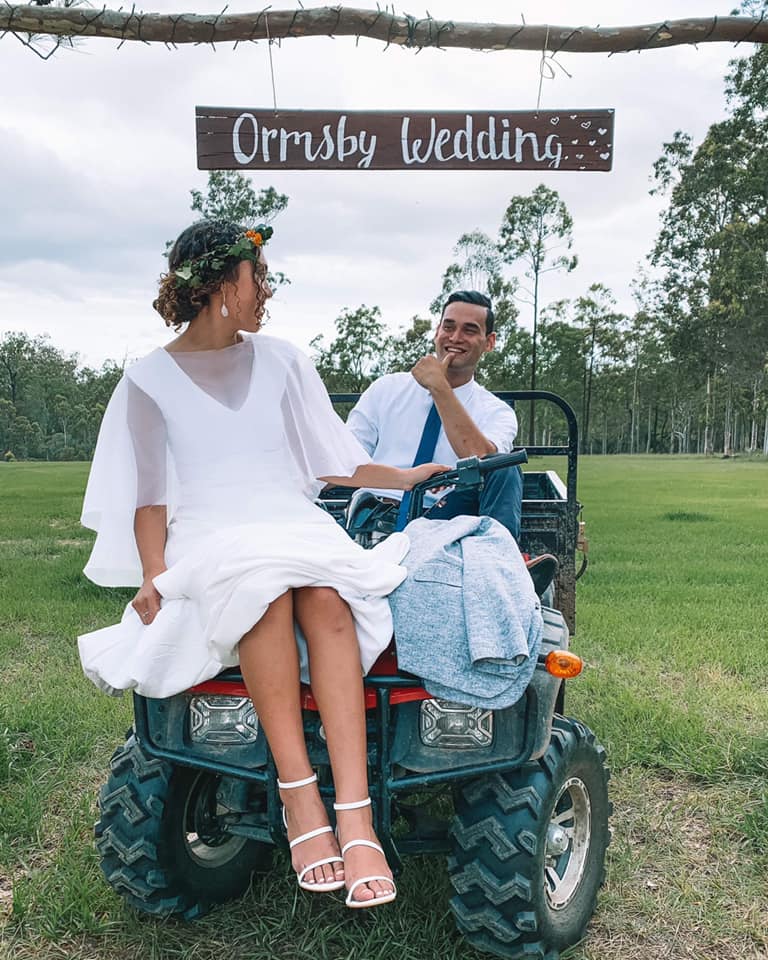
Ormsby Wedding

When Jared and Jonell asked if they could have their wedding at the farm, the bush fires were just starting up around our area.  We were in the possible projected path of the fire that devastated Nymboida, so we held off giving out the invites at that time because we weren’t sure if we’d have a farm to have the wedding at.  We luckily got through the fires untouched, but as the drought grew worse over summer, the thought of having a wedding on our dry dead grass overlooking the dried up dam wasn’t appealing either.  Christmas came and brought a bit of rain which was beautiful but not enough to fill up the dam… we had to wait until mid January when the heavens opened and filled the dam in 1 day.  Everything turned green pretty much instantly  and we were back on track to having a beautiful wedding at the farm.

February came and the rain just kept coming…which bought new challenges.  Half our dirt road washed away and left us with huge pot holes and ditches, the grass grew so fast and the ground was soggy which made mowing difficult.  When the guys came to put the marquee up two days before the wedding, they upgraded us from the elegant wedding marquee to the corporate heavy duty marquee since the ground was still soggy and the forecast was for more rain and possible storms.  Even with the heavy duty marquee they still weren’t confident about putting the marquee up under those conditions.

But after all of that worry (and heaps of prayers) the day turned out perfect.  It was overcast with light cool breezes and the forecasted rain held off from the time we put the marquee up until after the wedding was over and everyone had left! The ground dried out enough that our guests didn’t need gumboots, and the rain started back up again after everyone had packed up and left…how perfect was that!

Here’s the official video of the wedding thanks to Jareds brother Jardian Ormsby for capturing it all on video and putting it together for us!  The ceremony was performed at the Brisbane Temple of The Church of Jesus Christ of Latter-day Saints and the reception was at our farm the next day…yes a two day wedding!

The preps

A lot of work was put into preparing for this wedding.  From cutting down logs, to building the dance floor and teepee, keeping up with the mowing and ground keeping, fixing up the dirt road, making signs, decorations, hiring and decorating the marquee, tables, chairs, organising catering equipment, the food, preparing the pork and lamb from scratch (yes from alive to plate) and figuring out how we’d cook them for 160 people, making sure we had enough generators and power …and the list goes on…here’s some pics and videos

Building the dance floor thanks to Enoka for his carpentry expertise

Putting up the teepee

Filling up the holes in the dirt road, cutting logs, preparing the bonfire and making signs

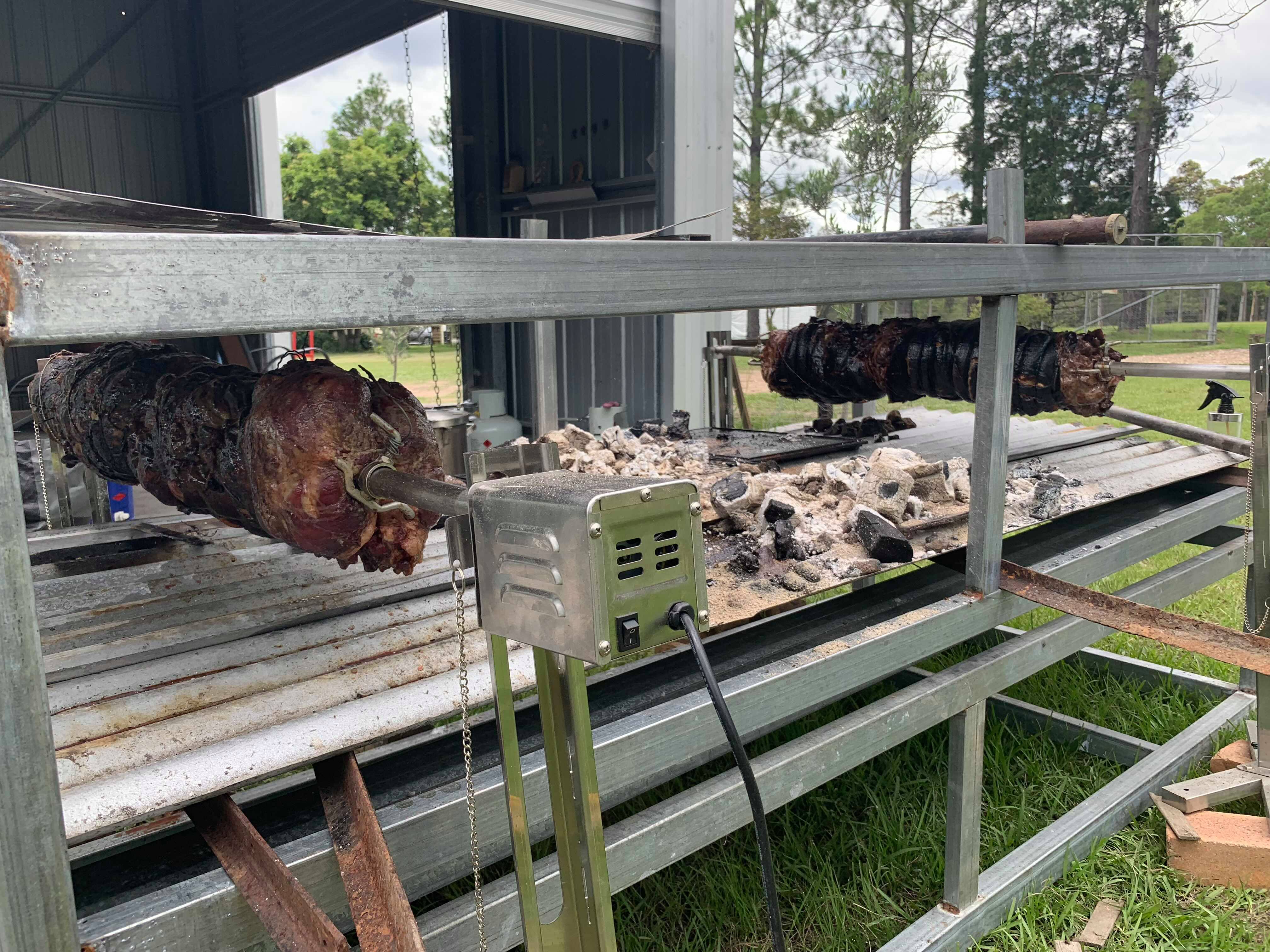
The spit roast.  Stafford had no idea how he was going to cook the spit roasts until the day before the wedding.  We had these metal frames that he put together with some corrugated iron that was lying around the place.  The spit rotisseries are portable and adjustable so he was able to adjust the height and width apart from the hot coals as he needed.  The corrugated iron at the bottom allowed air to flow through the fire and the corrugated iron on the top kept the heat in. Yep, Stafford is an outside the box thinker! It worked perfectly by the way…the roast was moist and the guests were happy.

87198487_836863450111590_7589612107188928512_n

Getting the final things in place

With everything in place, the girls were the first to test the photobooth inside the teepee

The marquee looked beautiful thanks to Jareds Mother and her good friend Sherri for all their hard work with the decorations

We even had a sing-a-long with Stafford

Everyone danced the night away thanks to our awesome DJ Boz and MC CJ!

Wishing Jonell and Jared all the best for their eternity together

Drought Over!

With all the praying and fasting we have done recently Heavenly Father has delivered.  We had a whopping 285mm of rain last weekend.  More than what we received in the past 9 months combined.  The dams and tanks are now full and the waterways are flowing again!  You can feel the moisture back in the air – it’s hot and sticky again, just like how summer is meant to be.

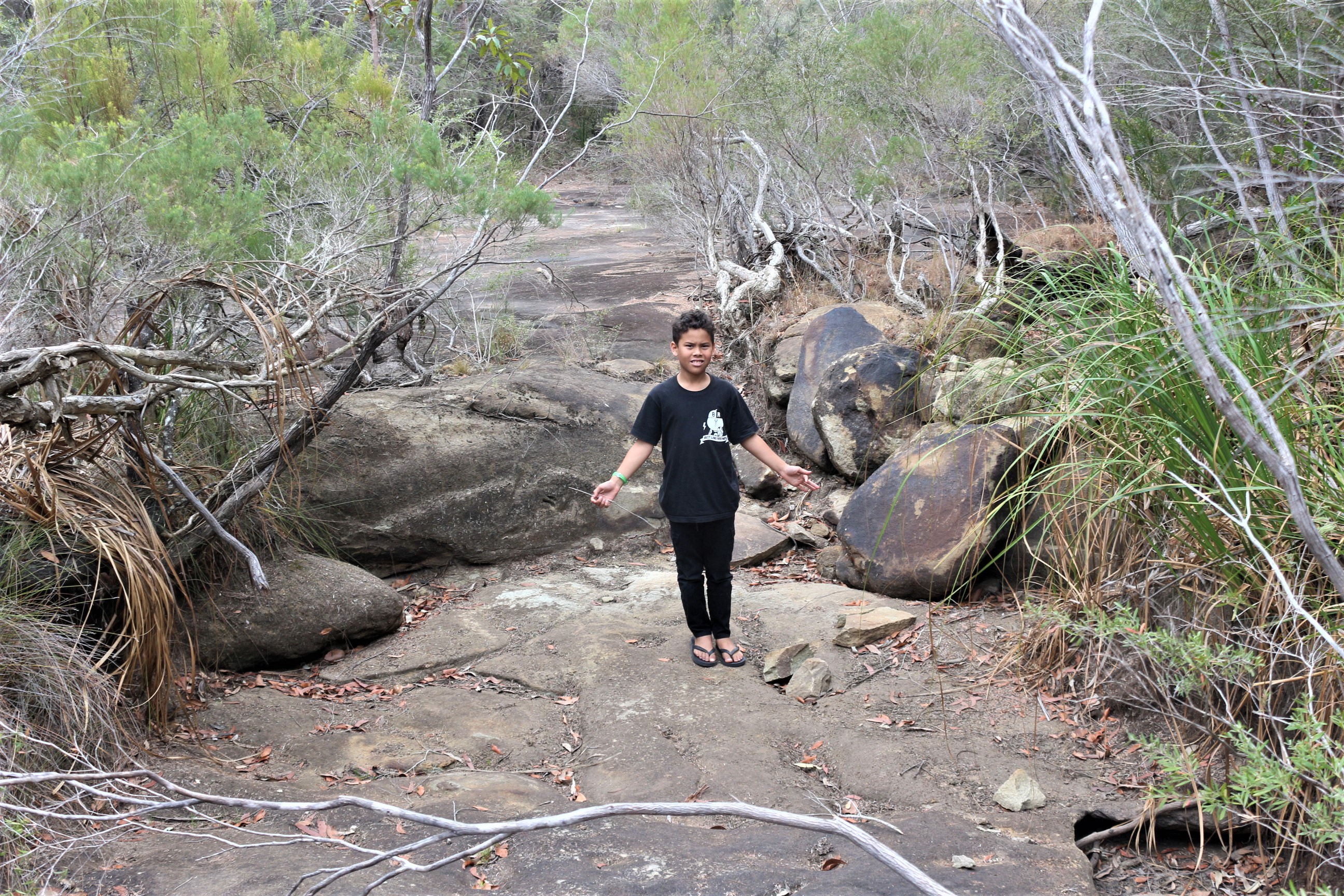
Remember our dried out creek?

Dry Creek

It was raging on Saturday!

The kids had so much fun!


Our dam filled up in no time

It even over flowed!!!


Karl posted a marker in the dam before the rain came.  It measure 1.4m above the ground.  The after picture was taken about mid day Saturday and the rain kept coming.  It would have gone way over the marker during the night…

We’re feeling so blessed!!!
These were the rain maps for Saturday and Sunday…what a beautiful sight!